Langsung ke konten utama

Unggulan

Totto-chan (Tetsuko Kuroyanagi)


Mama menggandeng Totto-chan melewati pintu pemeriksaan karcis. "Aku ingin jadi penjual karcis!"

Mama tidak kaget. Dia hanya berkata, "Kukira kau ingin jadi mata-mata"

Berjalan sambil memegangi tangan Mama, Totto-chan ingat, sampai kemarin dia masih yakin ingin menjadi mata-mata. Tapi asyik juga kalau harus mengurusi sekotak penuh karcis kereta!

"Aku tahu!" Gagasan hebat terlintas dikepalanya, "Bukan kah aku bisa jadi penjual karcis yang sebenarnya mata-mata?"

Mama tidak menjawab. Sebenarnya ia sangat cemas. Bagaimana kalau sekolah baru itu tidak mau menerima Totto-chan? 

Dia memandang Totto-chan yang melompat-lompat sepanjang jalan sambil berbicara pada dirinya sendiri.

Totto-chan tidak tahu Mama merasa khawatir. 

Jadi ketika mata mereka bersitatap, dia berkata riang, "Aku berubah pikiran. Aku akan bergabung dengan kelompok pemusik jalanan yang selalu berkeliling sambil mengiklankan toko-toko baru!".

Mama merasa khawatir karena Totto-chan pernah dikeluarkan dari sekolah, meskipun dia baru mulai bersekolah. 

Kejadiannya seminggu yang lalu. Mama dipanggil wali kelas Totto-chan yang meminta anaknya dipindahkan ke sekolah lain karena membuka dan menutup mejanya ratusan kali meski sudah dilarang.

Mama mengerti mengapa Totto-chan melakukannya. Dia ingat bagaimana bersemangatnya Totto-chan waktu pulang sekolah di hari pertama. 

Katanya, "Sekolah asyik sekali! Mejaku di rumah ada lacinya yang bisa ditarik, tapi meja di sekolah ada tutupnya yang bisa dibuka keatas. Meja itu seperti peti, dan kita bisa menyimpan apa saja di dalamnya. Keren sekali!"

Gurunya melanjutkan bahwa setelah satu jam membuka-tutup mejanya, Totto-chan meninggalkan tempat duduknya lalu berdiri di depan jendela. Gadis cilik itu memanggil pemusik jalanan yang berpakaian kumuh. 

Ketika Totto-Chan memanggil mereka, para pemusik jalanan itu langsung mendekati jendela kelas. Lalu Totto-chan mengumumkan kepada seisi kelas, "Mereka datang!" dan anak-anak berlarian ke jendela sambil memanggil-manggil para pemusik itu.

Sebelum Mama sempat membuka mulut untuk meminta maaf, guru itu sudah melanjutkan, "Adalagi masalah di pelajaran menggambar. Saya meminta anak-anak menggambar bendera Jepang. Semua Anak menggambar dengan benar, tapi putri anda menggambar bendera Angkatan Laut dengan rumbai-rumbai disekeliling bendera. Sebelum saya sadar apa yang akan dilakukannya, dia telah menggambarkan rumbai kuning. Benderanya dia gambar hampir sehalaman penuh, jadi tak ada tempat cukup untuk rumbai-rumbainya. Dia mengambil crayon kuning lalu membuat ratusan garis yang menggores Sampai melewati pinggir kertas. Jadi, waktu dia mengangkat kertasnya, mejanya penuh dengan coretan kuning yang tak bisa diapus betapapun kerasnya kami berusaha."

Setelah berkata demikian, guru itu mengucapkan kata-kata penutup dengan dingin, "Saya bukan satu-satunya guru yang kesal. Guru dikelas sebelah juga mendapat kesulitan".

Jelas Mama harus melakukan sesuatu untuk mengatasi masalah itu. Ini tidak adil bagi murid-murid lain. Mama harus mencari sekolah lain, sekolah yang bisa memahami dan mengajari putri ciliknya untuk menyesuaikan diri dengan orang lain.

Sekolah yang sedang mereka tuju ditemukan Mama setelah mencari kemana-mana.

Mama tidak bilang kepada Totto-chan bahwa dia dikeluarkan dari sekolah. Dia tahu, Totto-chan takkan mengerti mengerti mengapa dia dianggap telah berbuat salah dan Mama tidak ingin hati putrinya terluka.

Mama hanya berkata, "Bagaimana kalau kau pindah ke sekolah baru? Mama dengar ada sekolah yang sangat bagus."

"Baiklah," kata Totto-chan setelah berpikir cukup lama.

Tapi sesaat kemudian Totto-chan bertanya, "Menurut Mama, para pemusik jalanan akan melewati sekolah baruku, tidak?".

Totto-chan berhenti melangkah ketika melihat gerbang sekolah baru itu. 

Gerbang sekolahnya yang dulu terbuat dari pilar-pilar beton yang halus. Nama sekolah tertera di sana dengan huruf-huruf besar. Tapi gerbang sekolah baru ini hanya terdiri atas dua batang kayu yang tidak terlalu Tinggi. Kedua batang itu masih ditumbuhi ranting dan daun.

"Gerbang ini tumbuh" Kata Totto-chan. "Mungkin akan terus tumbuh sampai lebih tinggi dari tiang telepon!"

Kedua "tiang gerbang" itu memang pohon hidup, lengkap dengan akar-akarnya. 

Ketika berjalan mendekati tiang-tiang tersebut, Totto-chan memiringkan kepalanya untuk membaca nama sekolah, "To-mo-e Gakuen"

Seketika matanya melihat sekilas sesuatu yang membuatnya mengira dirinya sedang bermimpi. Dia berjongkok lalu mengintip ke balik semak-semak agar bisa melihat lebih jelas. 

Dia tidak mempercayai penglihatannya.

"Mama, itu kereta sungguhan, ya? Disana, di halaman sekolah!"

Untuk ruang kelas, sekolah itu menggunakan enam gerbong kereta yang sudah tidak terpakai. Totto-chan merasa seperti sedang bermimpi. Bersekolah di gerbong kereta!.

"Ayo, Ma, cepat! Cepat! Ayo kita naik kereta yang tidak bergerak itu!"

"Kau belum boleh masuk" kata Mama menghalanginya. "Gerbong-gerbong ini kelas dan kau belum diterima di sekolah ini. Sekarang kita akan menghadap Kepala Sekolah. Kalau kau memang ingin naik kereta ini, kau harus bersikap manis dan sopan di depan kepala sekolah."

"Baiklah, aku suka sekolah ini"

Halaman sekolah itu tidak begitu luas. Alih-alih dengan tembok, sekolah ini dikelilingi dengan pepohonan. Disana-sini ada petak-petak bunga dengan bunga-bunga merah dan kuning.

Mama dan Totto-chan berjalan ke kantor Kepala Sekolah. 

Kantor Kepala Sekolah tidak terletak didalam gerbong, tapi di sisi kanan sebuah bangunan berlantai satu. Bangunan itu terletak di atas tangga batu berbentuk setengah lingkaran yang tingginya kira-kira tujuh undakan, tepat di seberang gerbang sekolah.

"Pria yang akan kita temui pasti sepala stasiun!" bisik Totto-chan.

Mama punya sifat yang sangat sabar dan suka bercanda. Dia mendekatkan wajahnya ke wajah Totto-chan lalu berbisik, "Kenapa?"

"Mama bilang dia kepala sekolah, tapi kalau dia yang punya semua gerbong itu, dia pasti kepala stasiun"

Mama harus mengakui bahwa memang tidak biasanya sekolah menggunakan gerbong kereta sebagai kelas, tapi saat itu tak ada waktu untuk menjelaskan. 

Dia berkata ringkas, "Kenapa kau tidak tanyakan saja pada Kepala Sekolah nanti? Tapi... lihat saja Papa. Papa pemain biola, tapi itu tidak membuat rumah kita jadi toko biola, kan?"

"Benar juga" kata Totto-chan sambil menggandeng tangan Mama.

Ketika Mama dan Totto-chan masuk, pria yang ada di kantor itu bangkit berdiri dari kursinya. Dia mengenakan setelan jas hitam yang bersih dan rapi meskipun sudah tampak tua. 

Sambil membungkuk memberi hormat, Totto-chan bertanya dengan penuh semangat, "Bapak ini apa, kepala sekolah atau kepala stasiun?"

Mama merasa malu, tapi pria itu tertawa dan menjawab, "Aku Kepala Sekolah di sekolah ini"

Totto-chan senang. "Oh, Aku senang sekali. Aku ingin minta bantuan bapak. Aku ingin bersekolah di sini."

Kepala sekolah menarik kursi ke dekat Totto-chan lalu duduk berhadapan dengan gadis cilik itu.

"Sekarang, ceritakan semua tentang dirimu. Ceritakan semua dan apa saja yang ingin kau katakan."

"Apa saja yang aku suka?" Totto chan senang sekali dan langsung berbicara penuh semangat. Ceritanya kacau dan urutannya tidak karuan, tapi semua dikatakannya apa adanya.

Dia bercerita kepada Kepala Sekolah tentang betapa cepatnya kereta yang mereka tumpangi; 
tentang sarang burung walet; 
tentang Rocky, anjingnya yang berbulu cokelat dan bisa melakukan berbagai keterampilan; 
tentang bagaimana dia suka memasukan gunting ke dalam mulutnya waktu di Taman Kanak-Kanak dan gurunya melarangnya karena lidahnya bisa tergunting, tapi dia tetap saja melakukannya; 
tentang papa yang sangat pandai berenang dan menyelam. 

Dia terus berbicara. Kepala Sekolah mendengarkan, tertawa, mengangguk, dan berkata, "Lalu?"

Dan Totto-chan merasa senang sekali. 
Dia terus bercerita, sampai akhirnya kehabisan cerita. 
Totto-chan duduk dengan mulut terkatup sambal berpikir keras mencari bahan cerita.

"Tak ada lagi yang ingin kau ceritakan?" tanya Kepala Sekolah. Totto-chan benar-benar berpikir keras, tapi tak bisa menemukan bahan cerita lain. Hal ini membuatnya merasa agak sedih. 

Untungnya, tepat ketika itu, Kepala Sekolah berdiri, lalu meletakkan tangannya yang besar dan hangat di kepala Totto-chan sambil berkata, "Nah, sekarang kau murid sekolah ini"

Totto-chan merasa dia telah bertemu dengan orang yang benar-benar disukainya. 

Belum pernah ada orang yang mau mendengarkan dia sampai berjam-jam seperti kepala sekolah. Lebih dari itu, Kepala sekolah sama sekali tidak menguap atau tampak bosan. Dia selalu tampak tertarik pada apa yang diceritakan Totto-chan, sama seperti Totto-chan sendiri.

Totto-chan belum belajar menghitung waktu, tapi dia merasa telah bercerita cukup lama. Kalau sudah mengerti jam, dia pasti kaget dan semakin berterimakasih kepada Kepala Sekolah. 

Bayangkan, Totto-chan dan Mama sampai di sekolah itu jam delapan, tapi ketika dia selesai bercerita dan kepala sekolah menyatakan dia murid di sekolah itu, pria itu melihat jam sakunya dan berkata, "Ah, waktunya makan siang." Jadi, Kepala Sekolah sudah mendengarkan cerita Totto-chan selama Empat jam penuh!

Tidak pernah sebelum atau sejak saat itu ada orang dewasa yang mau mendengarkan Totto-chan sampai selama itu. 

Lagi pula Mama dan guru wali kelasnya yang dulu pasti heran kalau tahu ada anak umur tujuh tahun yang bisa menemukan bahan obrolan untuk diceritakan selama itu.

Tentu saja ketika itu Totto-chan tidak tahu bahwa dia dikeluarkan dari sekolah karena gurunya sudah kehabisan akal menghadapinya. 

Wataknya yang periang dan terkadang suka melamun, membuat Totto-chan berpenampilan polos. Tapi, jauh di dalam hatinya, dia merasa dirinya dianggap aneh dan berbeda dari anak-anak lain. 

Bagaimanapun, Kepala Sekolah membuatnya merasa aman, hangat, dan senang. Dia ingin bersama Kepala Sekolah selama-lamanya.

Begitulah perasaan Totto-chan terhadap Kepala Sekolah Sosaku Kobayashi, pada hari pertama sekolah itu. Dan, untungnya, begitu pula perasaan Kepala Sekolah terhadapnya.

Kepala sekolah mengajak Totto-chan melihat tempat murid-murid biasa makan siang. 

"Kita tidak makan siang di kereta," jelasnya, "tapi di aula."

Aula terletak di puncak undakan batu yang tadi dilewati Totto-chan. Ketika sampai disana, mereka melihat para murid sedang sibuk dan gaduh memindahkan meja-kursi, mengatur semua membentuk lingkaran.

Totto-chan menarik-narik jas Kepala Sekolah dan bertanya, "Di mana anak-anak yang lain?"

"Mereka semua sudah di sini" jawab Kepala Sekolah

"Sudah semua?" Totto-chan tak percaya. "Maksud Bapak, hanya ada kira-kira lima puluh anak di seluruh sekolah?"

"Ya," kata Kepala Sekolah

Ketika semua sudah duduk, Kepala Sekolah bertanya kepada murid-murid apakah mereka semua membawa sesuatu dari laut dan sesuatu dari pegunungan.

"Ya!" jawab mereka serentak sambil membuka kotak-kotak bekal makan siang mereka.

"Mari kita lihat apa yang kalian bawa," kata Kepala Sekolah. Lalu dia berjalan di dalam lingkaran dan melihat isi setiap kotak bekal sementara anak-anak berteriak-teriak kegirangan.

Setelah Kepala Sekolah berkata, "Sekarang kau murid sekolah ini," Totto-chan tak sabar menunggu esok tiba. 

Belum pernah dia bersemangat menyambut hari baru seperti itu. 

Biasanya Mama kesulitan membangunkan Totto-chan di pagi hari, tapi hari itu dia sudah bangun sebelum yang lain terjaga, sudah rapi berpakaian, dan menunggu dengan tas sekolah tersandang di bahunya.

Mama punya banyak pekerjaan yang harus diselesaikan. 

Dia sibuk mengisi kotak bekal dengan, "sesuatu dari laut dan sesuatu dari pegunungan" sambil memberikan sarapan kepada Totto-chan, Mama juga memasukan karcis abonemen kerata Totto-chan ke dompet plastik yang akan dikalungkan di leher Totto-chan dengan tali agar tidak hilang.

"Baik-baik di sekolah," kata papa.

"Pasti" Totto-chan mengenakan sepatu lalu membuka pintu depan. Kemudian dia berbalik, membungkuk sopan, dan berkata, "Sampai jumpa, semuanya."

Mata Mama berkata-kaca ketika memandang Totto-chan pergi. Rasanya sulit untuk mempercayai  bahwa Gadis Cilik yang santun, yang dengan riang serta penuh semangat berangkat ke sekolah itu, belum lama ini dikeluarkan dari sekolah. 

Mama berdoa dengan khidmat, berharap kali ini semua berjalan lancar.
Jalan ke stasiun kereta hampir sama dengan jalan ke sekolahnya yang lama. Totto-chan melewati anjing-anjing dan kucing-kucing yang dikenalnya, begitu pula anak-anak bekas teman sekelasnya.

Apakah sebaiknya dia pamerkan karcis keretanya kepada mereka? Tapi ia tidak ingin terlambat, karena itu diputuskannya untuk mengurungkan niatnya hari itu dan bergegas pergi.

Belajar disini rasanya akan seperti melakukan perjalanan menyenangkan. 

Di atas deretan jendela masih ada rak barangnya. Satu-satunya yang berbeda adalah papan tulis di bagian depan gerbong dan tempat duduk menyamping yang telah diganti dengan meja-kursi sekolah yang semua menghadap ke depan. Tali pegangan juga sudah tidak ada, tapi yang lain-lain masih sama. 

Totto-chan masuk lalu duduk di salah satu kursi, Meja dan kursi kayu di gerbong itu mirip dengan yang ada di sekolah lain, tapi yang ini jauh lebih nyaman dan membuatnya betah duduk sepanjang hari. 

Totto-chan sangat senang dan amat menyukai sekolah itu, hingga ia memutuskan untuk datang ke sekolah setiap hari dan takkan pernah berlibur.

Totto-chan memandang ke luar jendela. 
Ia tahu kereta itu tidak bergerak, tapi bunga-bunga dan pohon-pohon dihalaman sekolah yang bergoyang-goyang tertiup angin lembut membuat gerbong ini rasanya seperti bergerak.

Seorang anak perempuan datang. Anak itu mengeluarkan buku tulis dan kotak pensil dari tas sekolahnya lalu meletakkan kedua benda itu di mejanya. Kemudian dia berjinjit dan meletakkan tasnya di rak barang. Dia juga meletakkan tas berisi sepatunya di rak itu. 

Totto-chan segera meniru apa yang dilakukan anak itu.Akhirnya ada sembilan Anak di gerbong itu. Mereka murid-murid kelas satu di Tomoe Gakuen. Mereka akan bersama-sama melakukan perjalanan dengan kereta.

Disekolah lain, setiap Anak diberi satu bangku tetap. Tapi di sini mereka boleh duduk sesuka hati, kapan saja, dimana saja. 

Totto-chan memutuskan untuk duduk disamping anak Perempuan yang datang sesudahnya tadi pagi. 

Disekolah-sekolah lain, biasanya setiap jam diisi dengan satu mata pelajaran, misalnya bahasa Jepang untuk jam pelajaran pertama, pelajaran berhitung di jam pelajaran kedua, dst. Tapi disini sangat berbeda.

Di awal jam pelajaran pertama, Guru membuat daftar semua soal dan pertanyaan mengenai hal-hal yang akan di ajarkan hari itu. Kemudian Guru berkata, "Sekarang, mulailah dengan salah satu dari ini. Pilih yang kalian suka."

Jadi, tidak masalah apakah kita mulai dengan belajar Bahasa Jepang atau berhitung atau yang lain. 

Murid yang suka mengarang langsung menulis sesuatu, sementara dibelakangnya, anak yang suka fisika merebus sesuatu dalam tabung percobaaan di atas api berbahan spirtus. Letupan-letupan kecil biasa terdengar di kelas-kelas itu, kapan saja.

Metode pengajaran ini membuat para guru bisa mengamati (sejalan dengan waktu ketika anak-anak melanjutkan ke kelas yang lebih tinggi) bidang apa yang diminati anak-anak, termasuk cara berpikir dan karakter mereka. Ini cara ideal bagi para guru untuk benar-benar mengenal murid-murid mereka.

Bagi murid-murid, memulai hari dengan mempelajari sesuatu yang paling mereka sukai sungguh sangat menyenangkan. Fakta bahwa mereka punya waktu seharian untuk mempelajari materi-materi yang tidak mereka sukai, menunjukkan bahwa entah bagaimana mereka bisa bertahan menghadapi pelajaran-pelajaran itu.

Jadi belajar di sekolah ini pada umumnya bebas dan mandiri. Murid bebas berkonsultasi dengan guru kapan saja dia merasa perlu. Guru akan mendatangi murid jika diminta dan menjelaskan setiap hal sampai anak itu benar-benar mengerti. 

Kemudian mereka diberikan latihan-latihan lain untuk dikerjakan sendiri. Itulah belajar dalam arti yang sebenar-benarnya, dan itu berarti tak ada murid yang duduk menganggur dengan sikap tak peduli sementara guru sedang menjelaskan sesuatu. 

Murid-murid kelas satu belum sampai ke tahap belajar mandiri secara penuh, tapi mereka sudah diizinkan untuk mulai dengan mempelajari materi yang paling mereka minati.

Ada yang menyalin huruf-huruf alphabet, ada yang menggambar, membaca buku, Bahkan ada yang bersenam. 

Anak perempuan yang duduk disamping Totto-chan sudah hafal alphabet dan sedang menuliskan urutan alphabet di buku tulisnya. 

Semuanya begitu asing bagi Totto-chan hingga dia merasa agak gugup dan tak tahu apa yang harus dilakukannya.

Ketika itulah anak laki-laki yang duduk di belakangnya berdiri lalu berjalan ke papan tulis sambil membawa buku tulisnya, rupanya untuk berkonsultasi dengan guru. 

Guru duduk di balik meja, di samping papan tulis. dan sedang menjelaskan sesuatu kepada murid lain.

Totto-chan memandang punggung anak laki-laki yang berjalan ke depan itu. Anak itu menyeret kakinya, seluruh tubuhnya bergoyang-goyang aneh. 

Mula-mula Totto-chan mengira Anak itu sengaja melakukannya, tapi lalu segera tahu bahwa itu bukan alasannya.

Ketika Anak itu sudah duduk di bangku dibelakangnya, Totto-chan memutar badan dan bertanya, "Mengapa kau jalan seperti itu?"

Anak itu menjawab lirih, dengan suara lembut yang terdengar cerdas, "Aku kena polio"
"Polio?" ulang Totto-chan. Dia belum pernah mendengar kata itu.

"Ya, polio," bisik Anak itu. "Bukan hanya kakiku, tapi tanganku juga" Dia mengulurkan tangannya. Totto-chan memandang tangan kiri anak itu. Jari-jarinya yang panjang tertekuk dan kelihatannya seperti lengket satu sama lain.

"Tidak adakah yang bisa memperbaikinya?" tanyanya penuh perhatian. Anak itu tidak menjawab. Totto-chan menjadi malu, menyesal telah menanyakan pertanyaan itu. Tapi Anak itu berkata riang, "Namaku Yasuaki Yamamoto. Siapa namamu?"

Totto-chan senang sekali Mendengar Anak itu bicara dengan riang, hingga dia menjawab keras-keras, "Aku Totto-chan"

Begitulah awal persahabatan antara Totto-chan dan Yasuaki Yamamoto.
Matahari yang bersinar cerah membuat udara di dalam gerbong agak panas. Seseorang membuka jendela. Angin musim semi yang segar bertiup masuk ke dalam gerbong dan memburaikan rambut anak-anak.

Begitulah hari pertama Totto-chan di Tomoe dimulai.

Kepala sekolah menggunakan ungkapan untuk menggambarkan makanan (lauk) yang seimbang. 

Bukannya berkata, "latihlah mereka untuk makan apa saja," atau "tolong pastikan mereka membawa bekal makan siang yang gizinya seimbang," Kepala sekolah malah meminta para orang tua untuk mengisi kotak bekal makan siang putra-putri mereka dengan "sesuatu dari laut dan sesuatu dari pegunungan"

"Sesuatu dari laut" artinya makanan dari laut, seperti ikan dan tsukuda-ni (udang kecil atau sejenisnya yang direbus dengan kecap dan sake manis). Sementara "sesuatu dari pegunungan" berarti makanan dari daratan seperti sayuran, telur atau daging.

Mama sangat terkesan dengan cara ini. Sangat sedikit Kepala Sekolah yang mampu menetapkan aturan makan sepenting itu secara sederhana. 

Anehnya, keharusan untuk memilih hanya dari dua kategori itu justru membuat pekerjaan menyiapkan bekal makan siang menjadi lebih sederhana.

Lagi pula, Kepala Sekolah menegaskan bahwa orang tua tidak perlu berpikir keras atau berlebih-lebihan untuk memenuhi dua anjuran itu. 

Makanan dari daratan bisa saja hanya kinpira gobou (sayuran yang dibumbui) atau telur dadar, dan makanan dari laut mungkin hanya keripik ikan. Atau lebih sederhana lagi, Anak boleh dibekali nori (sejenis rumput laut yang dikeringkan) untuk "laut" dan acar buah plum untuk "pegunungan".

"Apa kau membawa sesuatu dari laut dan sesuatu dari pegunungan?" dia bertanya sambil memeriksa bekal mereka satu per satu. 

Terkadang seorang ibu terlalu sibuk dan anaknya hanya membawa sesuatu dari pegunungan atau hanya dari laut. Tapi tak apa. Sementara Kepala Sekolah memeriksa bekal-bekal murid, istrinya mengikutinya.

Wanita itu mengenakan celemek putih dan memegang dua wajan di kedua tangannya. 

Jika Kepala Sekolah berhenti di depan salah satu murid dan berkata, "Laut," istrinya akan menyendok dua chikuwa (sejenis bakso ikan berbentuk panjang) dari wajan "Laut", dan jika Kepala Sekolah berkata, "Pegunungan," maka akan di keluarkan beberapa potong kentang tumis kecap dari wajan "Pegunungan".

Tak ada yang berpikir untuk berkata, "aku tak suka bakso ikan" atau berpikir alangkah enaknya bekal si anu atau betapa payahnya bekal yang selalu dibawa si anu. 

Satu-satunya yang dipikirkan Anak-anak adalah mereka sudah memenuhi peraturan laut dan pegunungan dengan sebaik-baiknya, dan jika sudah, mereka akan merasa puas dan senang.

Bekal makan siang Totto-chan terdiri dari telur orak-arik berwarna kuning cerah, buncis rebus, denbu cokelat, dan sejenis daging ikan cod warna merah jambu. Bekal itu berwarna-warni seindah taman bunga.

"Cantik sekali," kata Kepala Sekolah.

Totto-chan senang sekali. "Mamaku pandai masak," katanya.

"Aku yakin mamamu panda masak," kata Kepala Sekolah. Kemudian dia menunjuk denbu. "Nah, apa ini? Ini dari laut atau dari pegunungan?"

Totto-chan memandang denbu itu, tak tahu mana yang benar. Warnanya seperti warna tanah, jadi mungkin dari pegunungan. Tapi dia tidak yakin.

"Aku tidak tahu"

Kemudian Kepala Sekolah bicara kepada semua murid, "Dari mana asalnya denbu, dari laut atau dari pegunungan?"

Suasana hening. Anak-anak berpikir keras. Tiba-tiba seorang anak berseru, "Pegunungan", yang lain berseru, "Laut". Tapi kelihatannya tak seorang pun tahu pasti.

"Baiklah. Akan kujelaskan," kata Kepala Sekolah. "Denbu berasal dari laut."
"Kenapa?" tanya seorang anak laki-laki gendut.

Berdiri di tengah lingkaran meja-meja, Kepala sekolah menjelaskan, "Denbu terbuat dari daging ikan rebus yang dibuang tulangnya, dibakar sebentar, ditumbuk halus, lalu dibumbui dan dikeringkan."

Anak-anak merasa sangat terkesan. Kemudian seorang anak bertanya, apakah mereka boleh melihat denbu Totto-chan.

Totto-chan agak gugup di hari pertama waktu makan siang, tapi acara itu asyik sekali. Sungguh menarik menebak-nebak makanan apa yang dibawa dari laut dan makanan apa yang dibawa dari pegununungan.

Hari itu dia belajar bahwa denbu terbuat dari ikan.

Kepala sekolah menciptakan satu lagu khusus berjudul Lagu untuk Dinyanyikan Sebelum Makan Siang.

Sebenarnya dia hanya mengarang kata-katanya dan menyesuaikan dengan nada lagu yang sangat terkenal Row, Row, Row Your Boat. Kata-kata yang disusunnya seperti ini:

Yuk kunyah baik-baik, Semua makananmu; Yuk kunyah baik-baik, Nasi, ikan, sayur!

Setelah menyanyi keras-keras, semua anak serentak mengucapkan "itadakimasu" dan mulai menyantap "sesuatu dari laut dan sesuatu dari pegunungan".

"Kalian semua telah bekerja keras pagi ini," Kata Guru. "Apa yang ingin kalian lakukan sore ini?"

Sebelum Totto-chan sempat berpikir tentang apa yang ingin dilakukannya, terdengar jawaban serentak.
"Jalan-jalan!"

Seperti yang akan diketahuinya kemudian, jika di pagi hari murid-murid bekerja keras dan menyelesaikan semua tugas dalam daftar yang ditulis guru di papan tulis, biasanya mereka diizinkan berjalan-jalan setelah makan siang. 

Aturannya sama untuk setiap kelas, baik kelas satu maupun kelas enam.

Mereka keluar dari gerbang (sembilan murid kelas satu bersama guru mereka) lalu menyusuri anak sungai. 
Di kedua tepi sungai itu berderet-deret pohon sakura besar yang baru-baru ini bunganya bermekaran. Padang-padang penuh bunga sesami. Warna kuning cerah terbentang sejauh mata memandang. 

Anak sungai itu sekarang tidak ada lagi, Gedung-gedung apartemen dan toko-toko berjejalan di kawasan itu. Tapi di masa itu, wilayah Jiyugaoka sebagian besar terdiri atas Padang rumput, ladang, dan persawahan.

"Kita jalan-jalan sampai kuil Kuhonbutsu" kata anak perempuan yang baju mainnya dihiasi gambar kelinci. Anak itu bernama Sakko-chan.

"Terakhir kali ke sana, kami melihat ular di dekat kolam," kata Sakko-chan. "Ada sumur tua di halaman kuil. Kata orang, dulu ada bintang jatuh yang jatuh kedalamnya."

Anak-anak mengobrol tentang apa saja yang mereka suka sambil berjalan-jalan. Langit biru cerah, udara dihiasi kupu-kupu berterbangan.

Setelah berjalan kira-kira sepuluh menit, Guru berhenti. Dia menunjuk beberapa kuntum bunga berwarna kuning dan berkata, "Lihat bunga sesami itu. Kalian tahu mengapa bunga-bunga mekar?"

Dia menjelaskan tentang putik dan benang sari sementara anak-anak berjongkok di pinggir jalan dan mengamati bunga-bunga itu. 

Guru menjelaskan bagaimana kupu-kupu membantu bunga-bunga menyerbukkan benang sari ke putik.

Memang, semua kupu-kupu itu tampak sibuk membantu bunga-bunga.
Kemudian anak-anak berkumpul dan berjalan-jalan mengelilingi kolam, sambal meneriaki "Halo!" kepada orang-orang yang sedang berperahu. 

Mereka main engklek sepuas-puasnya dengan keping-keping pualam hitam yang diambil dari makam.

Semua serba baru bagi Totto-chan, dan dia menyambut setiap hal baru dengan teriakan-teriakan riang.

"Waktunya kembali ke sekolah!" Kata Guru setika matahari mulai turun. Anak-anak berjalan kembali ke sekolah, menyusuri jalan yang diapit deretan pohon sakura dan ladang-ladang penuh bunga sesawi.

Anak-anak itu tak menyadari bahwa sambil berjalan-jalan (yang bagi mereka seperti acara bebas dan main-main) sebenarnya mereka mendapat pelajaran berharga tentang sains, sejarah, dan biologi.

Totto-chan sudah berkenalan dan berkawan dengan semua anak di kelasnya. Ia merasa seperti sudah lama mengenal mereka.

"Besok kita jalan-jalan lagi, ya!" teriaknya kepada mereka semua dalam perjalanan kembali ke sekolah.

Kupu-kupu masih sibuk mondar-mandir melakukan kegiatannya. Kicau burung-burung memenuhi angkasa. Perasaan Totto-chan diselimuti dengan kegembiraan.

Pada satu hari, dalam perjalanan ke sekolah naik kereta api, Totto-chan tiba-tiba berpikir apakah Tomoe punya lagu sekolah. Karena ingin tahu secepat mungkin, ia tak sabar menunggu sampai kereta tiba di stasiun terdekat sekolahnya. 

Begitu masuk ke gerbong kelasnya, Totto-chan bertanya kepada Taiji Yamanouchi yang suka fisika. Taichan menjawab, "Kurasa tidak,"

"Ayo kita minta Kepala Sekolah menciptakan lagu sekolah," kata Totto-chan.

Setelah mendengar Totto-chan menyanyikan lagu sekolah dari sekolahnya yang lama dan mempertimbangkan permintaan anak-anak, Kepala sekolah berkata, "Baiklah, aku akan menciptakan lagu untuk kalian. Besok pasti sudah Siap."

Keesokan harinya, ada pengumuman ditempelkan di setiap kelas, menyuruh setiap anak dan guru berkumpul di lapangan sekolah. 

Totto-chan bergabung dengan murid-murid lain, semua penasaran ingin tahu. Sambil membawa papan tulis ke tengah lapangan, Kepala Sekolah berkata, "Nah dengan, ini lagu untuk Tomoe, sekolah kalian."

Dia mengangkat tangannya, seperti dirigen dan berkata, "Sekarang kita coba menyanyikannya, semua!"

Kepala sekolah mengetuk-ngetuk irama dan memberi contoh menyanyikan lagu itu, semua murid yang berjumlah limapuluh, bernyanyi serempak:

To-mo-e, To-mo-e, To-mo-e!

"Hanya itu?" tanya Totto-chan
"Ya, hanya itu," kata Kepala Sekolah Bangga.
"Kalau ada kata-kata sulit pasti kedengarannya lebih keren," 
"Kalian tidak suka lagu ini? tanya kepala sekolah, wajahnya memerah tapi dia tersenyum, "Menurutku ini bagus."

Tak ada satu murid pun suka lagu itu. Lagunya terlalu sederhana. Kepala sekolah agak kecewa, tapi tidak marah.

Totto-chan merasa ia dan kawan-kawannya telah bersikap agak kasar, tapi mereka memang mengharapkan lagu yang lebih mengesankan.

Sesungguhnya, tak ada kata-kata yang cukup untuk mengungkapkan kecintaan Kepala Sekolah kepada murid-murid dan sekolahnya, tapi anak-anak itu belum cukup umur untuk menyadarinya. 

Mereka segera lupa pernah minta dibuatkan lagu sekolah. Mungkin kepala sekolah tadinya tak pernah berpikir bahwa membuat lagu sekolah itu perlu. Jadi, Tomoe Gakuen tidak pernah punya lagu sekolah.

Hari itu dompet kesayangan Totto-chan jatuh kedalam kakus dan masuk kedalam lubang penampungan kotoran. 

Totto-chan mejerit ketika dompetnya lenyap ditelan kegelapan dibawahnya. Tapi Totto-chan bertekad takkan menangis atau merelakan dompetnya yang hilang. 

Ia pergi ke gudang peralatan tukang kebun lalu mengeluarkan gayung kayu bertangkai panjang. Panjang tangkai gayung itu hampir dua kali tinggi badannya, tapi itu sama sekali tidak menyurutkan tekad Totto-chan. 

Ia berjalan ke belakang sekolah dan mencoba menemukan bak penampungan kotoran. 

Setelah susah payah mencari, akhirnya ia melihat penutup lubang berbentuk bundar kira-kira satu meter, lalu kemudian membukanya.

Totto-chan mulai bekerja. Ia mulai mencedoki isi bak penampungan kotaran dan menuangkannya ke tanah di sekitar lubang, berharap menemukan dompetnya. Hingga tumpukan kotoran di tanah sudah cukup tinggi ketika Kepala Sekolah lewat.

"Kau sedang apa?"
"Dompetku jatuh", jawab Totto-chan, sambil terus mencedok. Ia tak ingin membuang waktu.
"Oh begitu", kata Kepala Sekolah, lalu berjalan pergi, kedua tangannya bertaut dibelakang punggung, seperti kebiasaannya ketika berjalan-jalan. 

Waktu berlalu. Totto-chan belum juga menemukan dompetnya. Gundukan berbau busuk itu semakin tinggi. Kepala Sekolah datang lagi. "Kau sudah menemukan dompetmu?"

"Belum", jawab Totto-chan dari tengah-tengah gundukan. 
Kepala Sekolah mendekat dan berkata ramah, "Kau akan mengembalikan semuanya kalau sudah selesai, kan?"
"Ya", jawab Totto-chan riang, sambil terus bekerja.
Kemudian Kepala Sekolah pergi lagi, seperti sebelumnya.

Sekarang gundukkan itu benar-benar sudah menggunung dan bak penampung nyaris kosong, namun dompet Totto-chan belum juga ditemukan. Mungkin tersangkut di pinggir bak atau tenggelam di dasar bak. Tapi Totto-chan tidak peduli. 

Ia puas karena telah mengerahkan seluruh kemampuannya untuk mencari dompet itu. Kepuasan Totto-chan jelas adalah hasil rasa percaya diri yang ditanamkan Kepala Sekolah dengan mempercayainya dan tidak memarahinya.

Kebanyakan orang dewasa, jika mendapati Totto-chan dalam situasi seperti itu, akan bereaksi dengan berteriak, "Apa-apaan ini?" atau "Hentikan, itu berbahaya!" atau malah menawarkan bantuan.

Sementara Kepala Sekolah hanya berkata, "Kau akan memasukkan semua kembali kalau kau sudah selesai, kan?" Sungguh Kepala Sekolah yang hebat, pikir Mama ketika mendengarkan cerita kejadian itu dari Totto-chan. 

Totto-chan memenuhi janjinya. Ia memasukkan semua kembali ke dalam bak penampungan. Totto-chan juga memasukkan tanah basah ia juga ingin mengembalikan air dari kotoran yang sudah meresap kedalam tanah. Ia memutuskan untuk benar-benar mengembalikan semuanya. 

Setelah itu ia meratakan tanah, menutup kembali bak penampungan dan mengembalikan gayung kayu yang dipinjamnya ke gudang.

Nama Totto-chan sebenarnya adalah Tetsuko. Semua orang memanggilnya Tetsuko-chan. Tapi bagi si gadis cilik, nama itu tidak terdengar seperti Tetsuko-chan. Jadi setiap kali seseorang bertanya siapa namanya, ia akan menjawab, "Totto-chan." Ia bahkan mengira chan adalah bagian dari namanya. Sejak saat itu, gadis cilik itu selalu menganggap dirinya Totto-chan.

"Malam ini akan datang satu gerbong baru," kata Miyo-chan waktu istirahat makan siang. Miyo-chan adalah putri ketiga Kepala Sekolah. Dia sekelas dengan Totto-chan.

Sudah ada enam gerbong berderet sebagai kelas, tapi akan datang satu gerbong lagi. Miyo-chan bilang gerbong itu akan dijadikan perpustakaan. Semua murid senang sekali.

"Aku ingin tahu rute mana yang akan mereka lewati untuk sampai ke sekolah ini," kata seseorang
"Mungkin gerbong itu akan lewat Jalur Kereta Oimachi, lalu berbelok di persimpangan itu" seseorang menyampaikan pendapat
"Kalau begitu gerbong itu harus lepas dari rel" kata yang lain.
"Mungkin akan diangkut pakai gerobak" kata yang lain.
"Tak ada gerobak yang cukup besar untuk mengangkut gerbong kereta" tiba-tiba seseorang menyela.
"Mungkin mereka akan memandang rel sampan ke sekolah ini" kata Totto-chan berpikir keras.

Setelah membicarakan bermacam-macam pendapat yang tak masuk akal, akhirnya anak-anak memutuskan bahwa sore itu, mereka tidak akan pulang dulu. 

Mereka akan menunggu gerbong itu datang. 
Miyo-chan, anak kepala sekolah yang satu kelas dengan Totto-chan, dipilih untuk menghadap dan bertanya kepada ayahnya jika mereka boleh tinggal di sekolah sampai malam.

 "Gerbong itu datangnya sangat larut," katanya, "setelah semua kereta lain tidak beroperasi. "Siapa yang benar-benar ingin melihatnya harus pulang dulu dan minta izin orang tua. Kalau mau, kalian boleh datang lagi dengan membawa piama dan selimut dan harus sudah makan malam."

Begitu sampai rumah. Totto-chan meminta izin pada mama. 
Mama menanyakan bermacam-macam pertanyaan kepada Totto-chan. Menurut mama, sebaiknya Totto-chan melihatnya. Itu kesempatan langka. Mama bahkan berpikir-pikir untuk ikut melihat datangnya gerbong itu.

Mama menyiapkan piama dan selimut Totto-chan. Sehabis makan malam, Mama mengantarkan Totto-chan ke sekolah. 

Ada kira-kira sepuluh anak di sana, termasuk anak yang lebih besar yang mendengar berita itu. Ada dua Ibu lain yang datang bersama anak mereka. Tampaknya mereka ingin tinggal, tapi setelah mempercayakan anak-anak mereka kepada Kepala Sekolah, mereka pulang. 

"Aku akan membangunkan kalian jika gerbongnya datang, sekarang lebih baik kalian tidur terlebih dahulu" Kepala Sekolah berjanji setelah mereka berbaring di Aula, di balik selimut masing-masing.

Anak-anak mengira takkan bisa tidur karena asyik menebak-nebak bagaimana gerbong itu akan dibawa ke sekolah. Tapi setelah terlalu bersemangat seharian, mereka kecapekan dan mengantuk. Sebelum sempat bilang, "Jangan lupa bagunkan aku, ya?" Sebagian besar dari mereka sudah tidur pulas.

"Gerbongnya datang! Gerbongnya datang!"
Totto-chan terbangun karena teriakan-teriakan itu. Ia pun terlompat lalu lari menyeberangi halaman sekolah. 

Anak-anak berkerumun dekat gerbang. Sebuah gerbong kereta yang besar tampak samar-samar dalam kabut pagi. 

Gerbong itu diangkut dengan trailer yang ditarik dengan traktor milik bengkel Jalur Kereta Oimachi.
Totto-chan dan anak-anak lain belajar tentang sesuatu yang sebelumnya tidak mereka ketahui: bahwa ada kendaraan bernama traktor yang bisa menarik sebuah trailer yang jauh lebih besar dari gerobak. Mereka terkesan sekali.

Dimasa itu belum ada derek raksasa. Untuk menurunkan gerbong dari trailer dan membawanya ke halaman sekolah, dibutuhkan kerja luar biasa. Orang-orang yang membawa gerbong itu menjajarkan batang-batang kayu gelondongan di bawah gerbong, lalu sedikit demi sedikit mendorongnya turun dari trailer ke halaman sekolah.

"Perhatikan baik-baik" kata Kepala Sekolah, "Itu disebut roller. Tenaga penggelinding digunakan untuk memindahkan gerbong besar itu"
Anak-anak memperhatikan dengan saksama.

"Ayo ayo", para bekerja itu berseru serentak sambal bekerja. Matahari muncul di ufuk timur, pelan-pelan bergerak naik mengikutinya seruan mereka yang berirama.

"Kita akan berkemah besok. Datanglah ke sekolah besok sore dengan membawa selimut dan piama" kata Kepala Sekolah. Liburan musim panas akan dimulai lusa.

"Apa artinya berkemah?" tanya Totto-chan

Mama juga tidak tahu pasti, tapi dia menjawab, "Bukankah artinya kalian mendirikan tenda di udara terbuka, lalu malamnya tidur didalamnya? Kalau tidur di tenda, kau bisa melihat bulan dan bintang-bintang."

Malam itu Totto-chan tidak bisa tidur meskipun sudah lama berbaring. Ia merasa akan menghadapi petualangan hebat.

Esok paginya, begitu bangun ia langsung mengepak pakaian. Tapi sorenya, sambil menyandang ransel berisi selimut dan piama, Totto-chan merasa kecil dan agak takut ketika berpamitan kepada Papa dan Mama.

Ketika anak-anak sudah berkumpul di sekolah, Kepala Sekolah berkata, "Dengar kalian semua, kita berkumpul di Aula." 

Sampai di Aula, dia naik ke panggung kecil, membawa sesuai yang nampak kaku dan keras. Benda itu tenda hijau.

"Akan ku tunjukkan pada kalian bagaimana caranya mendirikan tenda,"

Kemudian, dia menyuruh anak-anak untuk memasang tenda-tenda lainnya di dalam Aula sesuai cara yang telah ditunjukkan. Satu tenda cukup untuk tiga orang Anak.

Seperti para orang tua lainnya, Mama membayangkan mereka akan mendirikan tenda di udara terbuka, tapi kepala sekolah ternyata punya rencana lain. 
Di dalam aula Anak-anak akan aman meskipun hujan turun atau udara menjadi dingin di malam hari.

Setelah semua Anak mengenakan piyama, Kepala Sekolah duduk di tengah lingkaran agar semua Anak bisa melihatnya dan mendengarkannya bercerita tentang perjalanan-perjalanannya ke luar negeri. 

Begitulah, Kegiatan sederhana ini menjadi pengalaman yang sangat berharga dan menyenangkan bagi para murid. 

Mereka takkan pernah melupakannya. Kepala Sekolah tahu benar bagaimana caranya membuat anak-anak senang.

Pada malam mereka berkemah di Aula, Kepala Sekolah mengumumkan, "Kita akan mengadakan Tes Keberanian di Kuil Kuhonbutsu, malam hari. Siapa yang mau jadi hantu, tunjuk tangan!"

Kira-kira tujuh anak laki-laki berebutan ingin memperoleh kesempatan itu.

Pada sore yang sudah ditentukan, Anak-anak berkumpul di sekolah. Anak-anak laki-laki yang akan menjadi hantu membawa kostum buatan mereka sendiri. Setelah memakainya, mereka bersembunyi di halaman kuil.

Kira-kira tiga puluh anak sisanya mengatur diri menjadi beberapa kelompok, masing-masing terdiri atas kira-kira lima anak. 

Pembagian kelompok ditentukkan dengan bersuit batu-kertas-gunting. Lalu mereka berangkat ke Kuhonbutsu, sekelompok-sekelompok, dengan selang waktu tertentu. Mereka diharapkan berjalan ke kanan, memutari kuil dan kuburan, lalu kembali ke sekolah.

Kepala sekolah menjelaskan bahwa meskipun tes itu untuk mengetahui keberanian mereka, anak-anak diperbolehkan kembali ke sekolah tanpa menyelesaikan rute.

Sambil berteriak-teriak penuh semangat, kelompok pertama berangkat keluar dari gerbang sekolah. Akhirnya tiba giliran Totto-chan dan kelompoknya.

Kepala sekolah berkata, hantu-hantu takkan muncul sebelum mereka sampai ke kuil Kuhonbutsu. Tapi Anak-anak itu tidak terlalu yakin. Dengan gugup mereka berjalan menuju kuil sampai tiba di jalan masuknya. 

Di siang hari, Susana itu lega dan nyaman, tapi sekarang, para murid ketakutan, jangan-jangan mereka kepergok hantu. 

Seorang anak menjerit ketika dedaunan bergesekan ditiup angin. Anak lain berteriak ketika kakinya menginjak sesuatu yang empuk. Mereka bahkan mengira, jangan-jangan kawan yang tangannya mereka gandeng sebenarnya hantu.

Totto-chan memutuskan untuk tidak pergi ke kuburan. Hantu-hantu pasti sudah menunggu di sana. Lagi pula saat itu ia merasa sudah tahu apa yang dimaksud dengan tes keberanian hingga tak perlu mengikutinya sampai selesai. Kawan-kawan satu kelompoknya juga membuat keputusan kembali ke sekolah. 

Sampai di sekolah, mereka melihat kelompok-kelompok yang berangkat sebelumnya ternyata sudah kembali. Kelihatannya mereka semua terlalu takut untuk mengikuti rute sampai ke kuburan.

Tepat ketika itu, seorang anak laki-laki bertudung kain putih masuk lewat gerbang sekolah sambil menangis, ditemani guru. 

Dia adalah salah satu anak yang menjadi hantu. Lama bersembunyi di kuburan, tapi tak ada seorang pun Anak yang datang kesana. Lama-lama dia merasa takut, lalu berlari meninggalkan kuil. 

Ketika para murid Sedang berusaha menenangkannya, hantu kedua datang sambil menangis, bersama satu anak laki-laki lain yang juga menangis. 

Anak yang jadi hantu itu juga bersembunyi di kuburan. Ketika mendengar ada yang berlari ke arahnya, dia melompat berdiri, mencoba menakut-nakuti anak yang datang. Dan akhirnya mereka bertubrukan. Dengan kesakitan dan ketakutan, bersama-rama mereka berlari kembali ke sekolah. Kejadian itu benar-benar lucu.

Lalu setelah rasa takut mereka hilang dan berganti dengan perasaan lega, anak-anak tertawa terpingkal-pingkal sampai sakit perut. 

Para hantu tertawa sambil menangis. Tak lama kemudian, teman sekelas Totto-chan yang nama keluarganya Migita, kembali ke sekolah. Dia marah karena tak satu pun Anak datang ke kuburan.

"Aku sudah menunggu lama sekali" Katanya kesal sambil menggaruk-garuk bekas gigi tan nyamuk di tangan dan kakinya.
"Ada hantu digigit nyamuk" cetus seseorang, dan semua anak tertawa lagi.
"Kalau begitu, sebaiknya kujemput hantu-hantu yang lain," kata Mr. Maruyama, wali kelas lima, sambil berjalan pergi. 

Dia menemukan satu hantu berdiri ketakutan di bawah lampu jalanan dan tiga hantu lain saking takutnya langsung pulang ke rumah masing-masing. Semua dikumpulkan dan dibawa kembali ke sekolah.

Sejak saat itu, murid-murid Tomoe tak pernah lagi takut hantu. Mau takut bagaimana? Hantu saja ternyata bisa takut, kan?.

Hari petualangan besar Totto-chan tiba dua hari setelah berkemah di Aula. Setiap murid Tomoe Punya satu pohon di halaman sekolah yang mereka anggap sebagai pohon pribadi.

Anak-anak menganggap pohon itu sebagai daerah kekuasaan. Jika ingin memanjat pohon Anak lain, mereka harus meminta izin dengan sopan dan berkata, "Bolehkah aku masuk?"

Yasuaki-chan yang kena polio belum pernah memanjat pohon. 

Tangan dan kakinya sangat lemah. Karena itu dia tidak mempunyai pohon pribadi. Karena itulah Totto-chan ingin mengundang anak itu ke pohonnya. Mereka merahasiakannya dari semua orang, termasuk orang tua mereka.

Totto-chan sangat ingin Yasuaki-chan bisa memanjat pohonnya. Seperti yang sudah dipikirkannya tadi malam, ia berlari ke gudang tukang kebun dan mengeluarkan tangga lipat yang anak tangganya lebar-lebar. Tangga lipat seperti itu tidak perlu dipegangi agar tetap tegak dan takkan goyang.

Yasuaki-chan memandang tangga lipat itu dengan gugup, kemudian memandang Totto-chan yang tubuhnya basah berkeringat. 

Yasuaki-chan juga berkeringat. Dia mendongak, memandang keatas pohon. Pohon milik Totto-chan tumbuh di pinggir halaman. 

Pohon itu besar, jika memanjat kira-kira dua meter dari tanah, anak-anak akan sampai di bagian pohon itu bercabang. Cabang itu sama nyamannya dengan tempat tidur gantung. 

Totto-chan sering naik ke pohon itu pada jam istirahat atau setelah sekolah bubar. Ia suka duduk di lekuk cabang itu, menatap langit, memandang kejauhan, atau melihat orang-orang lewat dibawah pohonnya.

Dengan penuh tekad, Yasuaki-chan meletakkan satu kakinya di Anak tanggal pertama.
Mereka tidak tahu berada lama waktu yang dibutuhkan Yasuaki-chan untuk mencapai puncak tangga. Matahari musim panas bersinar terik, tapi mereka tidak punya pikiran lain selain membuat Yasuaki-chan mencapai anak tangga paling atas. 

Totto-chan berdiri dibawahnya, mengangkat satu kaki Yasuaki-chan sambil menyungging pantat kawannya itu dengan kepalanya. 

Yasuaki-chan berjuang keras, mengerahkan segala kemampuannya. Akhirnya dia berhasil sampai ke Anak tangga paling atas. Totto-chan melompat ke cabang pohon dan membantu menarik Yasuaki-chan untuk dapat naik ke cabang pohon.

"Hore!"

Yasuaki-chan bersandar pada batang pohon sambil tersenyum malu. "Bolehkah aku masuk?"

Yasuaki-chan bisa melihat pemandangan yang sebelumnya tak pernah dilihatnya. "Jadi begini ya, rasanya bisa memanjat pohon?" Katanya riang.

Mereka duduk-duduk di pohon itu beberapa lama, mengobrol tentang apa saja.

"Kakakku di Amerika bilang, disana mereka punya sesuatu yang disebut televisi," Kata Yasuaki-chan penuh semangat. "Kakak ku bilang, kalau televisi sudah masuk ke Jepang, kita bisa duduk di rumah dan menonton sumo. Kata kakakku, televisi bentuknya kotak."

Dimasa itu, televisi belum dikenal di Jepang. Yasuaki-chan adalah orang pertama yang memberitahu Totto-chan tentang benda itu.

Burung-burung bernyanyi nyaring. Dua sahabat merasa senang. Bagi Yasuaki-chan, itulah kali pertama sekaligus terakhir baginya memanjat pohon.

Liburan musim panas sudah berakhir dan hari piknik ke sumber air panas telah tiba. Bagi murid-murid Tomoe, acara itu sangat penting. 

Acara piknik akan dinamai "Sekolah di Pantai", di suatu tempat bernama Toi, di Semenanjung Izu, Shizuoka. Disana ada sumber air panas di dalam laut. Para murid bisa berenang sambil berendam di air panas di sana. 

Piknik itu akan berlangsung selama tiga hari dua malam. Ayah salah satu murid Tomoe Punya rumah peristirahatan di Toi. Kelima puluh murid Tomoe dari kelas satu sampai kelas enam bisa menginap disana.

Sebelum berangkat, murid-murid Tomoe berkumpul di sekolah pada hari yang sudah ditentukan.
"Dengar baik-baik, Kita akan naik kereta, lalu naik kapal. Aku tak ingin sampai ada yang tersesat. Mengerti? Baik, kita berangkat sekarang!"

Hanya itu perintah yang dikatakan Kepala Sekolah, tapi semua Anak bersikap baik ketika naik kereta Tokoyo di Station Jiyugaoka. 

Tak ada yang berlari-larian di gerbong dan satu-satunya percakapan yang terdengar hanyalah perbincangan pelan antarteman yang duduk bersebelahan.

Para murid Tomoe belum pernah diberitahu bahwa mereka harus antre, berjalan dengan benar, bersikap Tenang di dalam kereta, dan tidak boleh membuang sampah di lantai setelah memakan bekal mereka.

Entah bagaimana, kehidupan sehari-hari di Tomoe telah mengajarkan bahwa mereka tidak boleh mendorong orang yang lebih kecil atau lemah daripada mereka, bahwa bersikap tidak sopan berarti mempermalukan diri sendiri, bahwa setiap kali melewati sampah mereka harus mengambilnya dan membuangnya ke tempat sampah, dan bahwa mereka tidak boleh melakukan perbuatan yang membuat orang lain kesal atau terganggu.

Fakta yang paling aneh adalah Totto-chan. 

Baru beberapa bulan sebelumnya ia selalu menggegerkan seisi sekolah karena berbicara dengan pemusik jalanan dari jendela ketika pelajaran berlangsung. Namun, sejak hari pertama bersekolah di Tomoe, Totto-chan selalu rajin belajar dan berusaha bersikap baik. 

Kalau saja guru dari sekolahnya yang lama melihat Totto-chan sekarang, duduk manis di dalam kereta api bersama anak-anak lain, mereka pasti bilang, "Pasti itu Anak lain!"

Di Numazu, mereka naik kapal yang persis dengan yang mereka bayangkan. Kapal itu tidak besar, tapi dengan penuh semangat Anak-anak melihat-lihat isinya dan mengamati dengan cermat. 

Ketika kapal itu mulai berlayar, anak-anak melambai pada para penduduk kota yang berdiri di dermaga.
Belum jauh mereka berlayar, hujan turun, memaksa mereka berteduh di dalam. Tiba-tiba laut berubah ganas.

Totto-chan merasa mual, begitu pula anak-anak lain. Tepat ketika itu, seorang anak laki-laki dari kelas yang tinggi terdiri ditengah-tengah geladak, berpura-pura menjadi penyeimbang kapal. 

Tiap kali kapal oleng, dia berlari ke satu sisi sambil berteriak "Ups!" Kemudian dia berlari ke sisi lain sambil berteriak "Ups!" Lucu sekali. Anak-anak tertawa melihatnya, lupa bahna mereka mabuk laut.

Mereka masih tertawa-tawa ketika kapal berlabuh di Toi. Anehnya, setelah semua turun dari kapal, Anak laki-laki yang berteriak "Ups!" itu mulai mabuk, padahal Anak-anak yang lain sudah sembuh dan mulai merasa nyaman!

Permandian Air Panas Toi terletak di desa yang tenang dan indah di tepi laut, di kelilingi bukit-bukit yang ditumbuhi pepohonan. Setelah istirahat sebentar, para guru membawa anak-anak ke laut.

Sumber air panas itu unik sekali. Tempatnya terbuka, tidak ada garis yang membatasi sumber air panas itu dengan laut yang mengelilinginya. 

Kalau kita berjongkok di tempat yang katanya merupakan sumber air panas, airnya akan naik setinggi leher, terasa hangat dan nyaman, seperti mandi berendam air panas. Jika ingin berenang di laut, kita tanggal bergeser sekitar empat setengah meter menyamping dari sumber air panas. Sedikit demi sedikit suhu air akan berkurang. 

Tidak seperti berkemah di dalam Aula atau mengikutinya tes keberanian, tiga hari di Pemandian Air Panas Toi memberi mereka pengalaman hidup yang benar-benar nyata. Misalnya, mereka bergiliran ditugaskan membeli sayuran dan ikan untuk makan malam. Jika seseorang bertanya di mana sekolah mereka dan dari mana asal mereka, mereka harus menjawab dengan sopan.

Totto-chan takkan pernah melupakan liburan musim panasnya yang pertama dan sangat menyenangkan itu. Berkat bemacam-macam acara yang mereka lakukan bersama selama liburan musim panas, kini Totto-chan juga sudah berteman dengan semua murid dari kelas yang lebih besar, laki-laki maupun Perempuan.

Euritmik adalah semacam pendirian tentang ritme atau irama khusus yang diciptakan seorang guru musik dan pencipta lagu berkebangsaan Swiss, Emile Jaques-Dalcroze. Hasil penelitiannya mulai terkenal di sekitar tahun 1904. Sistem yang diciptakannya segera digunakan di seluruh Eropa dan Amerika. 

Sebelum mendirikan Tomoe Gakuen, Sosaku Kobayashi, sang kepala sekolah, pergi ke Eropa untuk melihat bagaimana anak-anak dididik di luar negeri. 

Dia mengunjungi banyak sekolah dasar dan bicara dengan beberapa pendidik. Di Paris, dia berkenalan dengan Dalcroze, penggubah dunia musik yang hebat sekaligus pendidik.

Dalcroze telah menghabiskan banyak waktu merenungkan bagaimana caranya melatih anak-anak untuk mendengarkan dan merasakan musik di pikiran mereka, bukan hanya menikmatinya dengan telinga; bagaimana membuat mereka merasakan musik sebagai sesuatu yang bergerak, bukan hanya sesuatu yang tak bernyawa dan membosankan; bagaimana caranya membangkitkan kepekaan anak-anak.

Akhirnya, setelah melihat bagaimana Anak-anak melompat-lompat dan berlarian, Dalcroze mendapat gagasan untuk menciptakan irama khusus untuk berolahraga. Irama itu disebut Euritmik.

Kobayashi mengikuti kuliah Dalcroze di Paris lebih dari setahun dan mempelajari sistem itu dengan seksama. Ia adalah yang pertama mempraktekkannya untuk pendidikan sekolah dasar di Jepang.

Jika ditanya apa artinya euritmik, Sosaku Kobayashi akan menjawab, "Euritmik adalah olahraga yang menghaluskan mekanisme tubuh; olahraga yang mengajari otak cara menggunakan dan mengendalikan tubuh; olahraga yang memungkinkan raga dan pikiran memahami irama. Mempraktekkan euritmik membuat kepribadian anak-anak bersifat ritmik: Kuat indah, selaras dengan alam, dan mematuhi hukum-hukumnya."

Kelas Totto-chan mulai mempelajari euritmik dengan melatih tubuh agar bisa memahami irama. Kepala Sekolah memainkan piano di panggung kecil di Aula, lalu para murid, yang berdiri bebas di mana saja, mulai berjalan mengikutinya irama musik. 

Mereka boleh berjalan dengan gaya sesuka hati, asalkan jangan sampai bertabrakan dengan Anak lain.
Karena itu, anak-anak cenderung bergerak ke arah yang sama sambil membentuk lingkaran. Jika musik berirama dua ketukan, Anak-anak akan melambai-lambaikan tangan mereka ke atas dan ke bawah, seperti dirigen, sambil terus berjalan.

Untuk gerakan kaki, para murid tidak bokeh menghentakkan kaki dengan keras, walaupun itu tidak berarti mereka harus berjalan dengan ujung jari kaki seperti penari balet. 

Mereka dianjurkan untuk berjalan santai, sesantai-santainya, menuruti gerakan kaki mereka. Yang terpenting adalah melakukannya sealamiah mungkin. 

Jadi, anak-anak bisa berjalan sesuka hati dengan gerakan yang mereka anggap benar. Jika irama berganti menjadi tiga ketukan, mereka menyesuaikan lambaian tangan dan langkah mereka dengan tempo itu, lebih cepat atau lebih lambat sesuai irama. 

Mereka harus berlatih mengangkat dan menurunkan tangan sesuai irama, sampai irama enam ketukan.
Gerakan untuk irama Empat ketukan cukup sederhana:
"Ke bawah, memeluk badan, julurkan kedepan, julurkan ke samping, lalu keatas"
Dan untuk irama enam ketukan, tangan harus bergerak:
"Ke bawah, memeluk badan, julurkan kedepan, memeluk badan lagi, julurkan ke samping, lalu keatas"

Jadi jika irama itu selalu berganti, gerakan-gerakan itu cukup sulit dilakukan.

Dan akan semakin sulit jika Kepala Sekolah berseru, "Bahkan walaupun aku mengubah tempo permainan piano, kalian belum boleh mengubah irama gerakan sampai kuperintahkan, ya!"

Misalnya, mereka sedang berjalan mengikuti irama dua ketukan, lalu musik berganti ke irama tiga ketukan, Anak-anak harus tetap berjalan dalam irama dua ketukan sementara telinga mereka mendengar irama tiga ketukan. 

Itu sangat sulit, tapi Kepala Sekolah berkata latihan itu penting untuk menumbuhkan kemampuan konsentrasi.

Akhirnya Kepala Sekolah berteriak, "Kalian boleh ganti irama sekarang!"
Dengan lega anak-anak segera menyesuaikan gerakan mereka dengan irama tiga ketukan. 

Tapi untuk itu mereka harus sangat waspada. Waktu memerintahkan pikiran untuk meninggalkan irama dua ketukan dan menyuruh otot-otot mereka menyesuaikan dengan irama tiga ketukan, bisa saja irama musik tiba-tiba berubah menjadi lima ketukan! 

Jika demikian, anak-anak akan mengeluh, "Guru, Tunggu, Tunggu!" sementara tangan mereka bergerak serabutan. 

Tapi setelah latihan terus menerus, gerakan-gerakan itu menjadi menyenangkan. Para murid pun bahkan menciptakan berbagai variasi dan sangat menikmati gerakan mereka.

Biasanya setiap anak bergerak secara individual, tapi terkadang ada yang berpasangan dan memutuskan bergerak seirama, berpegangan tangan jika irama dimainkan dua ketukan, atau mereka akan mencoba berjalan dengan mata terpejam. 

Satu-satunya hal yang dilarang adalah bercakap-cakap.
Terkadang, jika latihan euritmik bertepatan dengan pertemuan Persatuan Orang Tua Murid dan Guru, para ibu suka mengintip dari jendela. 

Sungguh pemandangan yang indah: setiap Anak menggerakkan tangan dan kaki mereka dengan santai, melompat-lompat riang, dalam gerakan yang seirama musik.

Jadi, tujuan euritmik pertama-mama adalah melatih pikiran dan tubuh untuk sadar akan adanya irama, selanjutnya mencapai keselarasan antara jiwa dan raga, sampai akhirnya membangkitkan imajinasi yang kemudian merangsang kreativitas.

Kepala Sekolah memasukkan euritmik dalam kurikulum sekolahnya karena yakin sistem itu akan berhasil membantu anak-anak mengembangkan kepribadian mereka secara alamiah, tanpa terlalu dipengaruhi orang dewasa.

Kepala Sekolah tidak menetapkan sistem pendidikan yang berlaku umum ketika itu, yaitu sistem yang lebih menekankan pada kata-kata tertulis dan cenderung menyempitkan persepsi indrawi anak-anak terhadap alam. 

Sistem itu juga menghilangkan kepekaan intuitif mereka akan suara Tuhan yang pelan dan menenangkan, yaitu inspirasi.

Sejak berabad-abad yang lalu, di seluruh dunia, Watt dan Newton pasti bukan satu-satunya orang yang pernah melihat uap kelar dari ketel berisi air mendidih dan mengamati jatuhnya apel dari pohon.

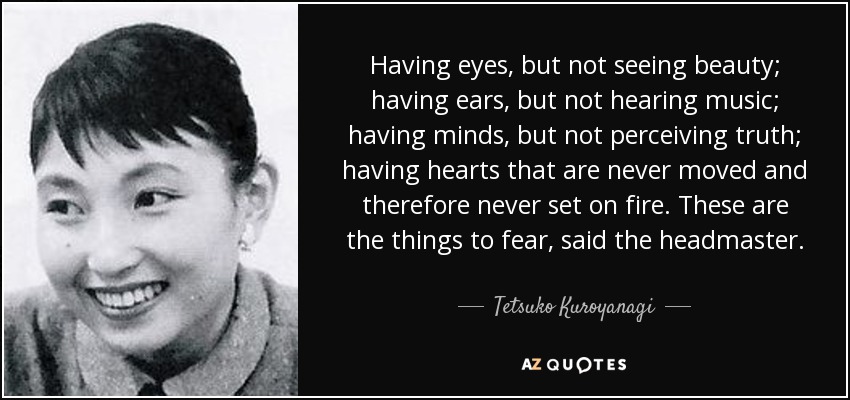
Punya mata, tapi tak melihat keindahan; Punya telinga, tapi tidak mendengarkan musik; Punya pikiran, tapi tak memahami kebenaran; Punya hati, tapi hati itu tak pernah tergerak dan karena itu tidak pernah terbakar. Itulah hal-hal yang harus ditakuti, kata Kepala Sekolah.

Dan Totto-chan, yang asyik melompat-lompat dan berlari-lari dengan kaki telanjang seperti Isadora Duncan, merasa luar biasa bahagia dan hampir tak percaya bahwa semua ini bagian dari bersekolah!.

The headmaster was always asking parents to send their children to school at Tomoe in their worst clothes. He wanted them to wear their worst clothes so that it wouldn't matter if they got muddy and torn. 

He thought it a shame for children to worry about being scolded if their clothes got dirty or to hesitate joining in some game because their clothes might get torn. 

There were elementary schools near Tomoe where the girls were dressed in sailor-suit uniforms and the boys wore high-collared jackets with shorts. The Tomoe children came to school in their ordinary clothes, and they had their teachers' permission to play to their hearts' content without giving their clothes a thought. 

Trousers in those days weren't made of anything durable like today's jeans, so all the boys had patches on their trousers and the girls wore skirts or dresses made of the strongest material available.

Totto-chan's favorite pastime was crawling under the fences of other people's gardens and vacant lots, so it suited her very well not to have to think about her clothes. 

There were a lot of barbed-wire fences in those days, and some of them had wire right down to ground level. In order to get under one like that you had to burrow like a dog. No matter how careful she was, Totto-chan would always manage to catch her dress on the barbs and tear it. 

Once, when she had on an old muslin dress that was really quite threadbare, the whole thing got shredded from top to bottom. Although it was old, she knew Mother was very fond of that dress, so Totto-chan racked her brains about what to say. 

"As I was walking along the road," she lied, on arriving home, "a lot of children I didn't know threw knives at my back. That's why my dress got torn like this." Thankfully, all her mother said was, "It must have been awful!"

Naturally, Mother didn't believe her story about the knives. However, if was unusual for Totto-chan to go to such lengths to make up an excuse. She realized Totto-chan must have felt badly about the dress and that pleased her. 

Watching Totto-chan, with dirt in her hair and fingernails and even in her ears, Mother couldn't help feeling a little envious. And she couldn't help admiring the headmaster. His suggestion that the children wear clothes they could get as dirty as they liked was just another example of how well he understood them.

One morning, when they were all running about the school grounds, the headmaster said, "Here's a new friend for you. His last name is Takahashi. He'll be joining the first grade train."

The children, including Totto-chan, looked at Takahashi. He took off his hat and bowed, and said shyly, "How do you do?"

Totto-chan and her classmates were still quite small, being only in the first grade, but Takahashi, although he was a boy, was much smaller still, with short arms and legs. His hands, in which he held his hat, were small, too. But he had broad shoulders. 

He stood there looking forlorn. His legs were very short and he was bow-legged. The teachers and grown-ups knew that he had stopped growing. 

"I'm from Osaka," he said.
"Osaka!" cried Totto-chan excitedly. Osaka was a dream city she had never seen. Mother's younger brother (her uncle) was a university student, and whenever he came to the house he used to take her head in both his hands and lift her up as high as he could, saying, "I'll show you Osaka. Can you see Osaka?"

"Tell me about Osaka," she said to Takahashi.
"About Osaka?" he asked, smiling happily. His voice was dear and mature. Just then the bell rang for the first class.

"What a pity," said Totto-chan. Takahashi went in gaily, swinging the little body that was almost hidden by his bag, and sat down in the front row. 

Totto-chan hurriedly sat down next to him. She was glad you could sit anywhere you liked. She didn't want to leave him. Thus, Takahashi became one of her friends, too.

Lunchtime at Tomoe had always been fun, but lately a new interest had been added.

The headmaster still inspected the lunchboxes of all fifty pupils to see if they had "something from the ocean and something from the hills", and his wife with her two saucepans was ready to supply the missing elements from anyone's lunch, after which they would all sing "Chew, chew, chew it well, Everything you eat," followed by, "I gratefully partake." 

But from now on, after "I gratefully partake," someone had to give a little talk.

One day the headmaster said, "I think we all ought to learn how to speak better. What do you think? After this, while we are eating our lunch, let's have somebody different each day stand in the middle of the circle and tell us about something. How about that?"

Some children thought they weren't very good at speaking, but it would be fun to listen to others. Some thought it would be super to tell people things they knew. 

Totto-chan didn't know what she would talk about but was willing to give it a try. Most of the children were in favor of the idea so they decided to start the talks the next day.

Japanese children are usually taught at home not to talk at mealtimes. But as a result of his experience abroad, the headmaster used to encourage his pupils to take plenty of time over their meals and enjoy conversation.

Besides that, he thought it was essential for them to learn how to get up in front of people and express their ideas clearly and freely without being embarrassed, so he decided it was time to put this theory into practice.

After the children had agreed to the idea, this is what he told them. Totto-chan listened attentively.

"You needn't worry about trying to be a good speaker," he said. "And you can talk about anything you like. You can talk about things you'd like to do. Anything. At any rate, let's give it a try.”

The order of speakers was decided upon. And it was also decided that whoever was going to speak that day would eat lunch quickly, straight away after the song was over.

The children soon discovered that unlike talking to two or three friends during lunch hour, standing up in the middle of the whole school needed a good deal of courage and was quite difficult. 

Some children were so shy at first that they just giggled. 

One boy had gone to a lot of effort and prepared a talk only to forget all of it the moment he stood up. 

He repeated several times his fine-sounding title, "Why Frogs Jump Sideways," then started off with, "When it rains..." but got no further. Finally he said, "That's all," bowed, and went back to his seat.

Totto-chan's turn hadn't come yet, but she decided that when it did she would tell her favorite story, "The Prince and the Princess." 

Everyone knew it, and whenever she wanted to tell it during breaks, the children would say, "We're tired of that one.”

But all the same, she decided, that was the story she was going to tell.

The new scheme was beginning to work rather well when, one day, the child whose turn it was to give a talk firmly refused.

"I have nothing to say," the boy declared.
Totto-chan was amazed to think that anyone could possibly have nothing to say. But that boy just didn't.
The headmaster went over to the boy's desk with its empty lunchbox.
"So you have nothing to say," he said.
"Nothing."

The boy wasn't trying to be clever, or anything like that. He honestly couldn't think of anything to talk about.

The headmaster threw back his head and laughed, heedless of the gaps in his teeth.
"Let's try and find you something to say.
"Find me something?" The boy seemed startled.
The headmaster got the boy to stand in the center of the ring while he sat down at the boy's desk.
"Try and remember," he said, "what you did this morning after you got up and before you came to school. What did you do first!"
"Well," said the boy and then just scratched his head.
"Fine," said the headmaster, "You've said, 'Well.' You did have something to say. What did you do after 'well?' "
"Well,... uh ... I got up," he said, scratching his head some more.

Totto-chan and the others were amused, but listened attentively. The boy went on, "Then, uh..." He scratched his head again. The head-master sat patiently watching the boy, with a smile on his face and his hands clasped on the desk. 

Then he said, "That's splendid. That will do. You got up this morning. You've made everyone understand that. You don't have to be amusing or make people laugh to be a good speaker. The important thing is that you said you hadn't anything to talk about and you did find something to say.”

But the boy didn't sit down. He said in a very loud voice, "And then... uh...
All the children leaned forward. The boy took a deep breath and went on, "And then...uh... Mother...uh...she said, 'Brush your teeth'... uh...so I brushed my teeth."

The headmaster clapped. Everyone else clapped, too. Whereupon the boy, in an even louder voice than before, went on again, "And then... uh...”

The children stopped clapping and listened with bated breath, leaning forward even more.
Finally, the boy said, triumphantly, "And then ... uh...I came to school."

One of the older boys leaned forward so far he lost his balance and hit his face on his lunchbox. But everyone was terribly pleased that the boy had found something to talk about.

The headmaster clapped vigorously, and Totto-chan and the others did, too. Even "And then... uh...," who was still standing in their midst, clapped. 

The Assembly Hall was filled with the sound of clapping.
Even when he was a grown man that boy probably never forgot the sound of that applause
.

Tomoe's Sports Day was held every year on the third of November. The headmaster had decided on that day after a lot of research, in which he found out that the third of November was the autumn day on which it had rained the fewest times. 

As all kinds of things were done differently at Tomoe, its Sports Day, too, was unique. 

The only sports events that were the same as at other elementary schools were the Tug of War and the Three Legged Race. All the rest had been invented by the headmaster. Requiring no special or elaborate equipment, they made use of familiar everyday school things.

For instance, there was the Carp Race. Large tubular cloth streamers, shaped and painted like carp, the kind that are flown from poles in May for Boys' Day Festival, were laid in the middle of the school grounds. 

At the signal, the children had to start running toward the carp streamers and crawl through them from the mouth end to the tail end and then run back to the starring point. 

There were only three carp one red and two blue--so three children raced at a time. 

The race looked easy but was quite difficult. 

It was dark inside, and the carp were long, so you could easily lose your sense of direction. 

Some children, including Totto-chan, kept coming out of the mouth, only to realize their mistake and hurriedly burrow inside again. 

It was terribly funny to watch because the children crawling backward and forward inside made the carp wriggle as if they were alive.

There was another event called Find-A-Mother Race. 

At the signal the children had to run toward a wooden ladder propped up on its side, crawl through it between the rungs, take an envelope from a basket, open it, and if the paper inside said, for instance, "Sakko-chan's mother," they would have to find her in the crowd of spectators, take her hand, and return together to the finishing line. 

One had to ease oneself through the ladder with catlike grace or one's bottom could get stuck. 

Besides that, a child might know well enough who Sakko-chan's mother was, bur if the paper read "Miss Oku's sister," or Mr. Tsue's mother," or Mrs. Kuninori's son," whom one had never met, one had to go to the spectators' section and call in a loud voice, "Miss Oku's sister!"

It took courage. Children who were lucky and picked their own mothers would jump up and down shouting, "Mother! Mother! Hurry!" The spectators, too, had to be alert for this event. 

There was no telling when their names might be called, and they would have to be ready to get up from the bench or from the mat where they were sitting, excuse themselves, and wend their way out as fast as they could to where someone's child was waiting, take his or her hand, and go running off. 

So when a child arrived and stopped in front of the grown-ups, even the fathers held their breath, wondering who was going to be called. 

There was little time for idle chit-chat or nibbling food. The grown-ups had to take part in events almost as much as the children.

The headmaster and other teachers joined the children in the two teams for the Tug of War, pulling and shouting, "Heave-ho, heave-ho!" while handicapped children, like Yasuaki-chan, who couldn't pull, had the task of keeping their eyes on the hand- kerchief tied to the center of the rope to see who was winning.

The final Relay Race involving the whole school was also different at Tomoe. No one had to run over, far. All one had to do was run up and down the semicircular flight of concrete steps leading to the Assembly Hall. 

At first glance it looked absurdly easy, but the steps were unusually shallow and close together, and as no one was allowed to take more than one step at a time, it was quite difficult if you were tall or had large feet. 

The familiar steps, bounded up each day at lunchtime, took on a fresh, fun aspect on Sports Day, and the children hurried up and down them shrieking gaily. To anyone watching from afar, the scene would have looked like a beautiful kaleidoscope. Counting the top one there were eight steps in all.

Something amazing happened on Sports Day. Takahashi, who had the shortest arms and legs and was the smallest in the school, came first in everything. 

It was unbelievable. While the others were still creeping about inside the carp, Takahashi was through it in a flash, and while the others only had their heads through the ladder, he was already out of it and running several yards ahead. 

As for the Relay Race up the Assembly Hall steps, while the others were clumsily negotiating them a step at a time, Takahashi, his short legs moving like pistons, was up them in one spurt and down again like a speeded-up movie.

"We've got to try and beat Takahashi," they all said.
Determined to beat him, the children did their utmost, but try as they might, Takahashi won every time.

Totto-chan tried hard, too, but she never managed to beat Takahashi. They could outrun him in the straight stretches, but lost to him over the difficult bits.

Takahashi went up to collect his prizes, looking happy and as proud as Punch. He was first in everything so he collected prize after prize. Everyone watched enviously.

"I’ll beat Takahashi next year!" said each child to himself. But every year it was Takahashi who turned out to be the star athlete.

Now the prizes, too, were typical of the head-master. First Prize might be a giant radish; Second Prize, two burdock roots; Third Prize, a bundle of spinach. Things like that. Until she was much older Totto-chan thought all schools gave vegetables for Sports Day prizes.

"Get your mothers to cool them for you for dinner tonight. They're vegetable you earned yourselves. You have provided food for your families by your own efforts. How's that? I’ll bet it tastes good!" 
Of course, he was right. It was the first time in her life, for instance, that Totto-chan had ever provided anything for dinner.

"I'll get Mother to make spicy burdock!" she told the headmaster. "I haven't decided yet what to ask her to make with the onions."

Whereupon the others all began thinking up menus, too, describing them to the headmaster.
"Good! So now you've got the idea," he said, smiling so happily his cheeks became quite flushed. 

He was probably thinking how nice it would be if the children and their families ate the vegetables while talking over the Sports Day events.

No doubt he was thinking especially of Takahashi-whose dinner table would be overflowing with First Prizes-and hoping the boy would remember his pride and happiness at winning those First Prizes before developing an inferiority complex about his size and the fact he would never grow. 

And maybe, who knows, the headmaster had thought up those singularly Tomoe-type events just so Takahashi would come first in them.

About that time, Totto-chan had two great ambitions. One was to wear athletic bloomers, and the other was to braid her hair. 

Watching older school-girls with long braids in the train, she decided she wanted to wear her hair that way, too. While the rest of the little girls in her class wore their hair short, with bangs, Totto-chan wore hers longer, parted at the side and tied with a ribbon. 

Mother liked it that way, and besides, Totto-chan wanted it to grow so she could wear pigtails.

Finally, one day she got Mother to braid her hair into two little pigtails. With the ends secured by rubber bands and tied with slender ribbons, she felt like an older student. 

When she looked at herself in the mirror, she realized that, unlike the girls in the train, her braids were thin and short and really looked like pigs' tails, but she ran to Rocky and held them up proudly for him to see. 

When she got on the train she held her head as still as she could for fear the braids might come undone. "How nice it would be," she thought, "if someone noticed them on the train and said, 'What lovely braids!' " But nobody did. 

When she got to school, however, Miyo-chan, Sakko-chan, and Keiko Aoki, who were all in her class, exclaimed in unison, "Oooh! Pigtails!" and she was awfully pleased and let the girls feel them.

None of the boys seemed impressed. But all of a sudden, after lunch, a boy from her class named Oe said in a loud voice, “Wow! Totto-chan's got a new hairdo!"

Totto-chan was thrilled to think one of the boys had noticed, and said proudly, "They're pigtails."

Whereupon he came over, took hold of them with both hands, and said, "I'm tired. I think I'll hang onto them for a while. Gee, they're much nicer than the hand snaps on the train!" But that wasn't the end of her trouble.

To have them called hand scraps was hurtful enough, without being dragged to the ground as well. But when Oe tried to pull her up by her pigtails, with a "Heave-ho, heave-ho!" just like at the Sports Day Tug of War, Totto-chan burst into tears. 

To Totto-chan, pigtails were the emblem of an older girl. She had expected everyone to be very polite to her because of them. 

Crying, she ran to the headmaster's office. When he heard her knocking on the door, sobbing, he opened it, and bent down as usual so their faces were level.

"What's the matter?" he asked.
After checking to see if her pigtails were still properly braided, she said, "Oe pulled them, saying, Heave-ho, heave-ho." 

The headmaster looked at her hair. He sat down and had Totto-chan sit down, too, facing him. As usual, heedless of his missing teeth, he grinned.

"Don't cry," he said. "Your hair looks lovely.
"Do you like it?" she asked, rather shyly, raising her tear-stained face. "It's terrific!" he said.

Totto-chan stopped crying, and got down from her chair saying, “I won’t cry any more even if Oe says Heave-ho." 

The headmaster nodded approval with a grin. Totto-chan smiled, too. Her smiling face suited her pigtails. Bowing to the headmaster, she ran back and began playing with the other children.

She had almost forgotten about having cried when she saw Oe standing in front of her, scratching his head.

"I'm sorry I pulled them," he said in a loud, flat voice. "I've been scolded by the headmaster. He said you've got to be nice to girls. He said to be gentle with girls and look after them." Totto-chan was somewhat amazed. 

She had never heard anyone before say you had to be nice to girls. Boys were always the important ones. In the families she knew where there were lots of children, it was always the boys who were served first at meals and at snack time, and when girls spoke, their mothers would say, "Little girls should be seen and not heard."

In spite of all that, the headmaster had told Oe that girls should be looked after. It seemed strange to Totto-chan. And then she thought how nice that was. It was nice to be looked after.

As for Oe, it was a shock. Fancy being told to be gentle and nice to girls! Moreover, it was the first and last time at Tomoe that he was ever scolded by the headmaster, and he never forgot that day.

When the children returned to school after the winter vacation, they discovered something wonderful and new, and greeted their discovery with shouts of joy. 

Opposite the row of classroom cars stood the new car, beside the flower bed by the Assembly Hall. 

In their absence it had become a library! Ryo-chan, the janitor, whom everyone respected and who could do all sorts of things, had obviously been working terribly hard. 

He had put up lots and lots of shelves in the car, and they were filled with rows of books of all kinds and colors. There were desks and chairs, too, where you could sit and read.

"This is your library," the headmaster said. "Any of these books may be read by anyone. You needn't fear that some books are reserved for certain grades, or anything like that. You can come in here any time you like. If you want to borrow a book and take it home, you may. When you've read it, be sure and bring it back! And if you've got any books at home you think the others would like to read, I'd be delighted if you'd bring them here. At any rate, please do as much reading as you can!"

"Let's make the first class today a library class!" cried the children, unanimously.
"Is that what you'd like to do?" said the head-master, smiling happily to see them so excited. "All right, then, why not?"

Whereupon, the whole student body of Tomoe--all fifty children--piled into the library car. With great excitement they picked our books they wanted and tried to sit down, but only about half of them could find seats and the rest had to stand. It looked exactly like a crowded train, with people reading books standing up. It was quite a funny sight.

The children were overjoyed. 

Totto-chan couldn't read too well yet, so she chose a book with a picture in it that looked most entertaining. 

When everyone had a book in hand and started turning the pages, the car suddenly became quiet. But not for long. The silence was soon broken by a jumble of voices. 

Some were reading passages aloud, some were asking others the meaning of characters they didn't know, and some wanted to swap books. Laughter filled the train. 

One child had just started on a book called Singing Pictures and was drawing a face while reading out the accompanying jingle in a loud singsong:
"A circle and a spot; a circle and a spot; Criss-crosses for the nose; another round and dot. Three hairs, three hairs, three hairs--and wow! Quick as a wink, there's a fat hausfrau."

The face had to be encircled on the word "wow, and the three semicircles drawn as you sang "Quick as a wink." If you made all the right strokes, the result was the face of a plump woman with an old-fashioned Japanese hairdo.

At Tomoe, where the children were allowed to work on their subjects in any order they pleased, it would have been awkward if the children let themselves be disturbed by what others were doing. 

They were trained to concentrate no matter what was going on around them. 

So nobody paid any attention to the child singing aloud while drawing the hausfrau. 

All the students of the school, packed into the train like sardines, devouring the books so eagerly in the morning sunlight that was pouring through the windows, must have presented a sight that gladdened the heart of the headmaster. 

The children spent the whole of that day in the library car. After that, when they couldn't be outdoors because of rain, and at many other times, the library became a favorite gathering place for them.

One afternoon, when school was over and Totto-chan was preparing to go home, Oe came running to her and whispered, "The headmaster's mad at somebody." .

"Where?" asked Totto-chan.

She had never heard of the headmaster getting angry and was amazed. Oe was obviously amazed, too, the way he had come running in such a hurry to tell her.

"They're in the kitchen," said Oe, his good-natured eyes opened wide and his nostrils a little dilated.

"Come on!"

Totto-chan took Oe's hand and they both raced toward the headmaster's house. It adjoined the Assembly Hall, and the kitchen was right by the back entrance to the school grounds. 

The time Totto-chan fell into the cesspool she was taken through the kitchen to the bathroom to be scrubbed clean.

And it was in the headmaster's kitchen that "something from the ocean and something from the hills" were made to be doled out at lunchtime. 

As the two children tiptoed toward the kitchen, they heard the angry voice of the headmaster through the closed door.

"What made you say so thoughtlessly to Takahashi that he had a tail?" It was their homeroom teacher who was being reprimanded.
"I didn't mean it seriously," they heard her reply.
"I just happened to notice him at that moment, and he looked so cute."
"But can't you see the seriousness of what you said? What can I do to make you understand the care I take with regard to Takahashi?"

Totto-chan remembered what happened in class that morning.

The homeroom teacher had been telling them about human beings originally having tails. The children had thought it great fun. Grown-ups would have probably called her talk an introduction to the theory of evolution, it appealed to the children greatly.

And when the teacher told them everybody had the vestige of a tail called the coccyx, each child started wondering where his was, and soon the classroom was in an uproar. Finally the teacher had said jokingly, "Maybe somebody here still has a tail! What about you, Takahashi!"

Takahashi had quickly stood up, shaking his head emphatically, and said in deadly earnest, "I haven't got one."

Totto-chan realized that was what the headmaster was talking about. His voice had now become more sad than angry.

"Did it occur to you to think how Takahashi might feel if he was asked if he had a tail?"

The children couldn't hear the teacher's reply. Totto-chan didn't understand why the headmaster was so angry about the tail. She would have loved being asked by the headmaster if she had a tail.

Of course, she had nothing wrong with her, so she wouldn't have minded such a question. But Takahashi had stopped growing, and he knew it.

That was why the headmaster had thought up events for Sports Day in which Takahashi would do well. He did all he could to help children with physical handicaps, like Takahashi and Yasuaki-chan, lose any complexes they might have and the feeling they were inferior to other children.

It was beyond the headmaster's comprehension how anyone could be so thoughtless as to ask Takahashi, just because he looked cute, whether he had a tail.

The headmaster happened to be visiting that class, standing in the back of the classroom, when she said it. Totto-chan could hear the homeroom teacher crying. "It was terribly wrong of me," she sobbed.

Totto-chan never forgot how the headmaster had reprimanded their homeroom teacher in his kitchen and not in the faculty room, where the other teachers were.

It showed he was an educator in the very best sense of the word, although Totto-chan did not realize that at the time. The sound of his voice and his words remained in her heart forever."

Tender green leaves were sprouting on all the trees in the school grounds, and the flowers in the flower beds were busy blossoming. 

Crocuses, daffodils, and pansies popped out their heads in order to say, "How do you do?" to the pupils of Tomoe, and the tulips lengthened their stalks as if stretching themselves. Cherry buds trembled in the soft breeze, all set and ready, waiting for the signal to burst into bloom.

The black popeyes, followed by the rest of the goldfish that lived in the small square concrete foot-rinsing basin by the swimming pool, shook themselves and started to swim about happily.

There was no need to say, "It's spring," for the season when everything looks shining and fresh and lively needed no announcement. Everyone knew it was spring!

If was exactly a year since the morning Totto-chan first arrived at Tomoe Gakuen with Mother. She was so surprised to find a Bate growing out of the ground, and so excited to see classrooms in a train, that she jumped up and down, and so certain that Sosaku Kobayashi, the headmaster, was her friend. 

Now Totto-chan and her classmates rejoiced in their new status as second graders while in came the new first grade children looking all around curiously just as Totto-chan and her classmates had done.

It had been an eventful year for Totto-chan, and she had eagerly looked forward to every single morning of it. She still liked street musicians, but she had learned to like many, many more things around her. The little girl who had been expelled for being a nuisance had grown into a child worthy of Tomoe.

Some parents had misgivings about Tomoe's education. 

There were times when even Totto-chan's Mother and Daddy wondered if they had done the right thing. 

Among parents who regarded Mr. Kobayashi's educational system dubiously and judged it superficially, just by what they saw, were some who became so alarmed about leaving their children at his school that they arranged to transfer them elsewhere. 

But the children themselves did not want to leave Tomoe, and cried. Fortunately, no one was leaving in Totto-chan's class, but a boy one grade above had rears streaming down his cheeks as he vented his despair by pounding on the head-master's back with clenched fists, the scab from a grazed knee flapping all the while. 

The headmaster's eyes were red from crying, too. The lad was finally led away from the school by his mother and father. As he went, he kept on turning around and waving, time after time.

But there were not many sad occasions like that, and Totto-chan was now a second grader, with the expectation of more daily surprises and delight.

"This is your teacher today. He's going to show you all sorts of things." With that the headmaster introduced a new teacher. 

Totto-chan took a good look at him. In the first place, he wasn't dressed like a teacher at all. 

He wore a short striped cotton work jacket over his undershirt, and instead of a necktie, he had a towel hanging around his neck. As for his trousers, they were of indigo-dyed cotton with narrow legs, and were full of patches. Instead of shoes, he wore workmen's thick two-toed, rubber- soled socks, while on his head was a rather dilapidated straw hat.

As she stared at the teacher, Totto-chan thought she had seen him before. 
"Aren't you the farmer who works in the field by the stream!" she asked him, delighted.
"That's right," said the teacher, with a toothy smile, wrinkling up his face. 
"You pass my place every time you go to Kuhonbutsu! That's my field. That one over there full of mustard blossoms."
"Wow! So you're going to be our teacher today, cried the children excitedly.
"Naw!" said the man, waving his hand in front of his face. 
“I ain't no teacher! I'm just a farmer. Your headmaster just asked me to do it, that's all."
"Oh yes, he is. He's your farming teacher," said the headmaster, standing beside him. 
"He very kindly agreed to teach you how to plant a field. It's like having a baker teach you how to make bread. Now then," he said to the farmer, "tell the children what to do, and let's get started."

At an ordinary elementary school, anyone who taught the children anything would probably have to have teaching qualifications, bur Mr. Kobayashi didn't worry about things like that. He thought it important for children to learn by actually seeing things done.

The place where they were assembled was besides the Kuhonbutsu pond and it was a particularly quiet section--a pleasant place, where the pond was shaded by trees. 

The headmaster had already had part of a railroad car put there for storing the children's farming implements, such as spades and hoes. The half-car had a peaceful look, neatly placed as it was right in the middle of the plot they were going to cultivate.

The farming teacher told the children to spades and hoes from the car and started them on weeding. He told them all about weeds: how hardy they were; how some grew faster than crops and hid the sun from them; how weeds were good hiding places for bad insects; and how weeds could be a nuisance by taking all the nourishment from the soil. 

He taught them one thing after another. And while he talked, his hands never stopped pulling out weeds. The children did the same. Then the teacher showed them how to hoe; how to make furrows; how to spread fertilizer; and everything else you had to do to grow things in a field, explaining as he demonstrated. 

A little snake put its head out and very nearly bit the hand of Ta-chan, one of the older boys, but the farming teacher reassured him, "The snakes here ain't poisonous, and they won't hurt you if you don't hurt them."

Besides teaching the children how to plant a field, the farming teacher told them interesting things about insects, birds, and butterflies, about the weather, and about all sorts of other things. 

His strong gnarled hands seemed to attest that everything he told the children, he had found out himself through experience.

The children were dripping with perspiration when they had finally finished planting the field with the teacher's help. Except for a few furrows that were a bit uneven, it was an impeccable field, whichever way you looked at it.

From that day onward, the children held that farmer in high esteem, and whenever they saw him, even at a distance, they would cry, "There's our farming teacher!" 

Whenever he had any fertilizer left he would bring it over and spread it on the children's field, and their crops grew well. 

Every day someone would visit the field and report to the headmaster and the other children on how it was doing. 

The children learned to know the wonder and the joy of seeing the seeds they had planted themselves sprout. And whenever two or three of them were gathered together, talk would turn to the progress of their field.

Terrible things were beginning to happen in various parts of the world. But as the children discussed their tiny field, they were still enfolded in the very heart of peace.

The moment she reached the front door, she shouted to Mother at the top of her voice, "Thunder canyon field kitchen!" At first Mother wondered if it was a judo yell or a rallying cry of the Forty-seven Ronin.

Then it clicked. Near Todoroki Station, three stops beyond Jiyugaoka, there was a famous beauty spot called Todoroki Keikoku, or Thunder Canyon. It was one of the most celebrated places of old Tokyo. It had a waterfall, a stream, and beautiful woods. 

As for field kitchen-that must mean the children were going to have a cookout there. Totto-chan gave Mother all the relevant details. 

The children were to assemble at the school the following Friday morning. The things they had to bring were a soup bowl, a rice bowl, chopsticks, and one cup of uncooked rice. The headmaster said it became two bowlfuls when cooked, she remembered to add. They were going to make pork soup, too, so she needed some pork and vegetables. 

The next few days Totto-chan stuck close to Mother in the kitchen and carefully observed how she used a knife, how she held a pot, and how she served the rice. 

It was nice watching her work in the kitchen, bur what Totto-chan liked most was the way Mother would say, "Ooh, that's hot!" and quickly put her thumb and index finger to her ear-lobe whenever she picked up something hot like a lid. "That's because earlobes are cold," Mother explained. 

Her gesture impressed Totto-chan as being very grown-up and evidence of kitchen expertise. She said to herself, "When we thunder-canyon-field-kitchen, I'm going to do that, too!"

Friday finally arrived. When they had reached Thunder Canyon after leaving the train, the headmaster surveyed the children gathered in the woods. 

Their dear little faces glowed in the sunlight as it filtered through the tall trees. 

With their knapsacks bulging, the children waited to hear what the headmaster had to say, while beyond them the famous waterfall fell in booming torrents, making a beautiful rhythm.

"Now then," said the headmaster, "first of all, let's divide into groups and make stoves with the bricks the teachers have brought. Then some of you can wash the rice in the stream and put it on to cook. After that, we'll start making the pork soup. Now then, shall we get started?"

The children divided themselves into groups by playing "stone, paper, scissors." Since there were only about fifty of them, it wasn't long before they had six groups. 

Holes were dug and surrounded with piled-up bricks. Then they laid thin iron bars across to support the soup and rice pots. While that was going on, some gathered firewood in the forest, and others went off to wash the rice in the stream. 

The children themselves allotted their various tasks. Totto-chan offered to cut up the vegetables and take charge of the pork soup. A boy two years senior to Totto-chan was also assigned to chopping vegetables, but he cut them into pieces that were either too big or too small and made a mess of the job. 

Totto-chan followed Mother's example and skillfully cut up the egg-plants, potatoes, onions, burdock roots, and so forth, that the children had brought, in just the right bite-sized pieces. She even took it upon herself to make some pickles by slicing egg plant and cucumber very thin and rubbing the slices with salt.

She gave advice, too, to some of the older children who were having trouble with their chores. Totto-chan really felt as if she had already become a mother! Everyone was impressed with her pickles.

When it came to flavoring the pork broth, everyone was asked for an opinion. From the various groups came startled cries of, "Wow!" "Gee!" and a great deal of laughter. 

The birds in the forest twittered, too, joining in the general uproar. In the meantime, tempting aromas rose from every pot. 

Until then, hardly any of the children had ever watched something cooking or had to regulate the heat. They had merely eaten what was put before them on the table. 

The joy of cooking something themselves, with its attendant traumas, and seeing the various changes the ingredients have to undergo, was a whole new experience to them.

Eventually, the work at each group's makeshift stove was completed. The headmaster had the children make a space on the grass where they could all sit in a circle. 

One soup pot and one rice pot were placed in front of each group. But Totto-chan refused to have her group's soup pot taken away until she had first performed the action she had set her heart upon. Taking off the hot lid, she declared rather self-consciously, "Ooh, that's hot!" and put the fingers of both hands to her earlobes. 

Only then did she say, "You can take it now," and the pot was duly carried over to where the children were sitting, wondering what on earth was going on. No one seemed at all impressed. But Totto-chan was satisfied all the same.

Everyone's attention was fixed on the bowls of rice in front of them and the contents of the steaming soup bowls. 

The children were hungry. But first and foremost, it was a meal they had made themselves! After the children had sung, "Chew, chew, chew it well, Everything you eat," and had said, "I gratefully partake," all became quiet in the woods. There was no sound but that of the waterfall.

Totto-chan was very sad. She was in third grade now and she liked Tai-chan a lot. He was clever and good at physics. He studied English, and it was he who taught her the English word for fox.

"Totto-chan," he had Said, "do you know what the English word for kitsune is? It's 'fox.' "
"Fox." Totto-chan had luxuriated in the sound of that word all day long. 

After that, the first thing she always did when she got to the classroom-in-the train was to sharpen all the pencils in Tai-chan's pencil box as beautifully as she could with her penknife. She didn't bother about her own, which she just hacked at with her teeth.

In spite of all that, Tai-chan had spoken roughly to her. It happened during lunch break. Totto-chan was sauntering along behind the Assembly Hall in the region of chat notorious cesspool.
"Totto-chan!"

Tai-chan's voice sounded cross, and she stopped, startled. Pausing for breath, Tai- chan said, "When I grow up, I'm not going to marry you, no matter how much you ask me to." So saying, he walked off, his eyes on the ground.

Totto-chan stood dazed, watching until he and his large head disappeared from view. That head full of brains that she admired so much. That head that looked so much bigger than his body the children used to call him "The Improper Fraction."

Totto-chan put her hands in her pockets and thought. She could not remember doing anything to annoy him. In desperation she talked it over with her classmate Miyo- chan. After listening to Totto-chan, Miyo-chan said, maturely, "Why, of course! It's because you threw Tai-chan out of the ring today at sumo wrestling. It's not surprising he flew out of the ring the way he did because his head's so heavy. But he's still bound to be mad at you."

Totto-chan regretted it with all her heart. 

Yes, that was it. What on earth made her beat the boy she liked so much She Sharpened his pencils every day! But it was too late. She could never be his bride now.

"I'm going to go on sharpening his pencils all the same," Totto-chan decided. "After all, I love him.

One afternoon after school the Tomoe pupils were playing as usual. They could do anything they liked until the final bell, when they had to leave the school grounds. 

The headmaster thought it was important for children to have time when they were free to do whatever they liked, so this period after classes were over was longer than at other elementary schools. 

That day some were playing ball, some had made themselves all dirty playing on the iron bars or in the sandbox, some were tending the flower beds, some of the older girls were just sitting on the steps chatting, and some were climbing trees. 

They were all doing just what they wanted. Among them were a few, like Tai-chan, who had stayed behind in the classroom to continue a physics experiment and were boiling flasks and doing experiments in test tubes. 

There were children in the library reading, and Amadera, who liked animals, was scrutinizing a stray cat he had found, turning it on its back and examining inside its ears. They were all enjoying themselves in their own ways.

Suddenly, a loud chant was heard outside the school:

Tomoe School is a shabby old school;
Inside, too, it's a shabby old school!

"That's terrible," thought Totto-chan. She happened to be right by the gate. Well, it wasn't really a gate, as it had leaves growing out of the posts. But at any rate, she heard them very clearly. It was too much. The others were indignant, too, and came running toward the gate.

Totto-chan walked back to school disconsolately. As she walked, she sang:

Tomoe School is a wonderful school;
Inside and out, it's a wonderful school!

She like it, and it made her feel better. So when she got back, she pretended she was from another school and shouted through the hedge in a loud voice, so that everybody could hear.

The children playing in the grounds at first couldn't imagine who it was. When they realized it was Totto-chan, they went out to the road and joined in. Finally they all linked arms and marched along the roads surrounding the school chanting together.

The children little knew, of course, what happiness their chant was giving the headmaster, as he sat listening in his office. It must be the same for any educator, but for those in particular who truly think about the children, running a school must be a daily series of agonies.

It must have been even more so at a school like Tomoe, where everything was so unusual. The school could not escape criticism from people used to a more conventional system of education. In such circumstances, that song of the children was the nicest gift they could possibly have given the headmaster.

One day at lunch break, after the children had finished eating, Totto-chan was skipping across the Assembly Hall when she met the headmaster.

"Oh, there you are," said the headmaster. "I've been wanting to ask you something."
"What is it?" asked Totto-chan, delighted to think she could give the headmaster some information.
"Where did you get that ribbon?" he asked, looking at the bow she had in her hair.
“It was on my aunt's old school uniform," she said proudly.

Totto-chan was very proud of the ribbon. She told him how she had bone to see her aunt and was lucky to find her aunt airing some clothes. Among them was the old-fashioned pleated skirt she had worn when she was a schoolgirl. Totto-chan noticed something pretty on it. 

The something pretty turned out to be this ribbon that was attached to the waistband at the back. She took some scissors and cut the thread attaching it to the skirt and gave it to Totto-chan. That was how she got it. It really was a beautiful ribbon. Auntie said the fabric was imported.

When he had heard her story, the headmaster looked a little distressed.
"So that's it," he said. "Yesterday Miyo-chan said she wanted a ribbon just like yours, so I went to all the ribbon shops in Jiyugaoka, but they didn't have anything like it. So that's it. It's imported, is it?"

His face was more like that of a troubled father importuned by his daughter than of a headmaster.
"Totto-chan, I'd be truly grateful if you'd stop wearing that ribbon to school. You see, Miyo-chan keeps pestering me about it. Would you mind very much?"

Totto-chan thought it over, her arms folded. Then she answered quickly, “All right. I won't wear it here any more."
"Thank you," said the headmaster.

Totto-chan was rather sorry, but the headmaster was in trouble, so she had agreed. Another reason was that the thought of a grown-up man--her beloved headmaster- searching high and low in all the ribbon shops, made her feel sorry for him. That was the way it was at Tomoe. 

Without realizing it, everyone got in the habit of understanding one another's problems and trying to help, irrespective of age. It became the natural thing to do.

The following morning, when Mother went into Totto-chan's room to clean up after Totto-chan had left for school, she found the ribbon tied around the neck of Totto- chan's favorite teddy bear. She wondered why Totto-chan had suddenly given up wearing the ribbon she had been so thrilled about.

Showing her train pass on the cord around her neck to the man at the gate, whom she now knew quite well-Totto-chan walked out of the station at Jiyugaoka. 

Something very interesting was going on. A young man was sitting cross-legged on a mat behind an enormous pile of what looked like pieces of tree bark. Five or six people stood around looking down at him. 

Totto-chan decided to join them, since the man was saying, "Now watch me carefully, watch me carefully. When the man saw Totto-chan stop, he said, "The most important thing for you is health. When you get up in the morning and want to know whether you are well or not, this piece of balk will tell you. Ever, morning all you have to do is chew a bit of this bark. If it tastes bitter, it proves you are not well. If it doesn't taste bitter, you know you're all right. You're not ill. This bark that tells you whether you're ill or not only costs twenty sen! Will that gentleman over there care to try a piece!"

He handed the bark to a rather thin man, who timidly bit it with his front teeth. The man tilted his head slightly and considered it. "It does seem... a tiny bit... uh.., bitter." 

The young man leaped up, exclaiming, "Sir, you must be suffering from some disease. You'll have to be careful. But don't worry, it's not very serious yet. You said it just seemed a little bitter. Now what about the lady over there. Would you mind chewing this, please!" A woman with a shopping basket took a larger piece of bark and chewed it vigorously. She announced cheerfully, "Why, that wasn't bitter at all!"

"Congratulations, madam," said the man. "You must be very healthy, indeed." Then he said, raising his voice, “Only twenty sen! Twenty sen! That's all it costs to find out every morning whether you are healthy or not. A real bargain!"

Totto-chan wanted to try a bite of the grayish bark, too, but was too shy to ask. Instead, she asked, "Will you still be here when school's over?"
"Sure," said the man, glancing at the young school child.

Totto-chan ran off, her bag flapping against her back. She didn't want to be late since there was something she had to do before school began. She had to ask the children something the moment she got to her classroom.

"Can anybody lend me twenty sen?"
But nobody had twenty sen. One of those long packers of caramels only cost ten sen, so it wasn't very much money, really, but nobody had it.

"Shall I ask my parents?" asked Miyo-chan.
At times like these it was very convenient that Miyo-chan happened to be the daughter of the head-master. Miyo-chan's house adjoined-the Assembly Hall, so it was just as if her mother lived at the school.

"Daddy says he'll lend it to you," she told Totto-chan at lunchtime, "but he wants to know what it's for."
Totto-chan made her way to the office.
"So you want twenty sen," he said, taking off his glasses. "What do you want it for?"
"I want to buy a piece of bark that tells you whether you're sick or whether you’re well," she replied quickly. The headmaster's curiosity was aroused.
"Where are they selling them?"
"In front of the station," she replied, in a great hurry.
"All right," said the headmaster. "Buy one if you want. But let me have a bite, won't you?"

He took a purse out of his jacket pocket and placed twenty sen in Totto-chan's palm.
"Oh, thank you so much!" said Totto-chan. "I'll get the money from Mother and pay you back. She always gives me money for books. If I want to buy anything else I have to ask first, but health bark is something everybody needs so I'm sure she won't mind."

When school was over, Totto-chan hurried to the station, clutching her twenty sen. The man was still there, extolling his product in a loud patter. When he saw the twenty sen in Totto-chan's hand, he broke into a broad grin.

"Good girl! Your mother and father will be pleased."
"So will Rocky," said Totto-chan.
"Who's Rocky?' asked the man, as he picked out a piece of bark for Totto-chan. 
"He's our dog. He's a German shepherd."
The man stopped and thought for a minute, then said, "A dog ... well, I suppose it'll work with a dog, too. After all, if it's bitter he won't like it and that'll mean he's ill." The man picked out a piece of bark about one inch wide and six inches long.
"Here you are. Bite some every morning and if it's bitter, you're sick. If not, you're as fit as a fiddle!"

Totto-chan went home carefully carrying the precious bark wrapped in newspaper. The first thing she did when she got there was to take a small bite. It was dry and rough, but not bitter. In fact it didn't taste of anything at all.

"Hooray! I'm healthy!"
"Of course you are," said Mother, smiling. "What on earth's the matter?"
Totto-chan explained. Mother tried biting a piece of the bark, too.
“It's not bitter.”
"Then you're healthy, too, Mother!"
Then Totto-chan went over to Rocky and held the bark to his mouth. First Rocky sniffed it. Then he licked it.
"You've got to bite it," said Totto-chan. "Then you'll know whether you're sick or not."

But Rocky made no attempt to bite it. He just scratched the back of his ear with his paw. Totto-chan held the tree bark closer to his mouth.
"Come on, bite it! It would be terrible if you weren't well."
Rocky reluctantly bit a tiny piece off the edge. Then he sniffed it again, but he didn't look as if he particularly disliked it. He just let out a big yawn.
"Hooray! Rocky's healthy, too!"

Next morning, Mother gave Totto-chan twenty sen. She went straight to the headmaster's office and thrust out the tree bark.

For a moment the headmaster looked at it as if to say, "What's this!" Then he saw the twenty sen Totto-chan had brought him, clutched carefully in her hand, and remembered.

"Bite it," said Totto-chan. "If it's bitter, it means you're ill."

The headmaster bit some. Then he turned the bark over and studied it carefully. "Does- it taste bitter?" asked Totto-chan, concerned, looking at the headmaster's face. “It hasn't any taste at all."

As he returned the bark to Totto-chan, he said, "I'm fine. Thank you.” "Hooray! The headmaster's healthy! I'm so glad."

That day Totto-chan got everybody in the school to bite a piece of bark. Not a single child found it bitter, which meant they were all healthy. Totto-chan was very glad.

The children all went and told the headmaster they were healthy, and to each child the headmaster replied, "That's good."

The headmaster must have known all along. He was born and bred in the heart of the country in Gumma Prefecture, beside a river from which you could see Mount Haruna. He must have known that the bark would not taste bitter, no matter who chewed it.

But the headmaster thought it was nice for Totto-chan to be so glad to find that everyone was healthy. He was happy that Totto-chan had been brought up to be the kind of person who would have been worried and concerned about anyone who might have said the bark tasted bitter.

Even, morning, before she left for school, Totto-chan took the precious piece of bark from her drawer, it now looked as if an energetic beaver had been at it--and chewed some of it, calling out as she left the house, "I'm healthy!"

And, thankfully, Totto-chan was in fact healthy.

A new pupil arrived at Tomoe. He was tall for an elementary school boy, and~ broad. Totto-chan thought he looked more like a seventh grader. His clothes were different, too, more like grown-up ones.

That morning in the school grounds the head-master introduced the new student.

"This is Miyazaki. He was born and brought up in America, so he doesn't speak Japanese very well. That's why he has come to Tomoe, where he will be able to make friends more easily and take his time over his studies. He's one of you now. What grade shall we put him in! What about fifth grade, with Ta-chan and the others!" 

"That's fine," said Ta-chan, who was good at drawing, in a big-brotherly voice.
The headmaster smiled and went on, "I said he wasn't very good at Japanese, but he's very good at English. Get him to teach you some. He's not used to life in Japan, though, so you'll help him, won't you? And ask him about life in America. He'll be able to tell you all sorts of interesting things. Well, then, I’ll leave him with you."

Miyazaki bowed to his classmates, who were all much smaller than he was. And all the children, not only the children in Ta-chan's class, bowed back.

At lunchtime Miyazaki went over to the head-master's house, and all the others followed him. Then what did he do but start to walk into the house with his shoes on! All the children shouted at him, "You've got to take off your shoes?"

Miyazaki seemed startled. "Oh, excuse me," he said, taking them off. The children began telling him what to do, all talking at once.

"You have to take your shoes off for rooms with tatami-matted floors and for the Assembly Hall. You can keep them on in the classrooms and in the library. It was fun learning about the differences between living in Japan and living abroad.

Next day Miyazaki brought a big English picture book to school. They all clustered around him at lunchtime to look at the book. They were amazed. 

They had never seen such a beautiful picture book. The picture books they knew were only printed in bright reds, greens, and yellows, but this one had pale flesh-colored pinks. As for the blues, they were lovely shades, mixed with white and gray, colors that didn't exist in crayons. 

There were lots of colors besides the standard twenty-four in a box of crayons, colors that were not even in Ta-chan's special box of forty-eight. Everyone was impressed. 

Miyazaki read the English text to them. The English language sounded so smooth that they listened enraptured. Then Miyazaki began to grapple with Japanese.

Miyazaki certainly had brought something new and different to the school. "Akachan is baby," he began. "UtsukuSHII is beautiful," Miyazaki said next, stressing the "ku." "UuukuSHII is beautiful," repeated the others.

Miyazaki then realized his Japanese pronunciation had been wrong. "It's utsukuSHII, is it? Right?"

Miyazaki and the other children soon became good friends. Every day he brought various books to Tomoe and read them to the others at lunchtime. 

It was just as if Miyazaki was their English tutor. At the same time Miyazaki's Japanese quickly improved. And he stopped making blunders like sitting in the tokonama, the alcove reserved for hanging-scrolls and ornaments.

"We're going to put on a play!"

It was the first play in Tomoe's history. The custom of someone giving a talk at lunchtime was still going on, but imagine performing a play on the little stage with the grand piano the headmaster always played for eurythmics and inviting an audience. None of the children had even seen a play, not even Totto-chan.

Nevertheless, they all discussed what sort of program they should put on for their end-of-year performance.

Totto-chan's class decided to do Kanjincho (“The Fund-Raising Charter”). This famous old Kabuki play was not exactly what you would expect to see at Tomoe, but it was in one of their textbooks and Mr. Maruyama would coach them. 

They decided Aiko Saisho would make a good Benkei, the strong man, since she was big and tall, and Amadera, who could look stern and had a loud voice, should play Togashi, the commander. 

After talking it over, they all came to the conclusion that Totto-chan should be the noble Yoshitsune, who, in the play, is disguised as a porter. All the others would be strolling monks.

Before they could begin rehearsing, the children had to learn their lines. It was nice for Totto-chan and the monks, for they had nothing to say. All that the monks were required to do was stand silently throughout, while Totto-chan, as Yoshitsune, had to remain kneeling, with her face hidden by a large straw hat.

Benkei, in reality Yoshitsune's servant, beats and upbraids his master in a clever attempt to get the part past the Ataka Checkpoint by posing as a band of monks collecting funds to restore a temple. 

Aiko Saisho, playing Benkei, had a tremendous part. Besides all the verbal thrust and parry with Togashi, the checkpoint commander, there was the exciting bit where Benkei has to pretend to read out the Fund-Raising Charter when ordered by the commander to do so. 

The scroll he "reads" from is blank, and he brilliantly extemporizes an appeal for funds in pompous ecclesiastical language: "Firstly, for the purpose of the reiteration of the temple known as Todaiji ...”

Aiko Saisho practiced her "Firstly" speech every day.
The role of Togashi, too, had lots of dialogue, as he tries to refute Benkei's arguments, and Amadera struggled to memorize it.

Finally rehearsal time came. Togashi and Benkei faced each other, with the monks lined up behind Benkei, and Totto-chan, as Yoshitsune, kneeling, huddled over, in front. 

But Totto-chan didn't understand what it was all about. So when Benkei had to knock Yoshitsune down with his staff and strike him, Totto-chan reacted violently. She kicked Aiko Saisho in the legs and scratched her. Aiko cried and the monks giggled.

Yoshitsune was supposed to remain still, looking cowed, no matter how-much Benkei beat and hit him. The idea is that while Togashi suspects the truth, he is so impressed by Benkei's ruse and the pain it must cost him to ill-treat his noble master, that he lets them through the checkpoint. 

To have Yoshitsune resisting would ruin the whole plot. Mr. Maruyama tried to explain this to Totto-chan. But Totto-chan was adamant. She insisted that if Aiko Saisho hit her she would hit back. So they made no progress.

No matter how many times they tried the scene, Totto-chan always put up a fight.
"I'm terribly sorry," said Mr. Maruyama to Totto-chan finally, "but I think we had better ask Tai-chan to play the part of Yoshitsune."

Totto-chan was relieved. She didn't like being the only one who got knocked about.
"Totto-chan, will you please be a monk?" asked Mr. Maruyama. So Totto-chan stood with the other monks, but right at the back.

Mr. Maruyama and the children thought everything would be fine now, but they were wrong. He shouldn't have let Totto-chan have a monk's long staff. 

Totto-chan got bored with standing still so she started poking the feet of the monk next to her with the staff, and tickling the monk in front under his armpits. She even pretended to conduct with it, which was not only dangerous for those nearby but also ruined the scene between Benkei and Togashi.

So eventually she was deprived of her role as a monk, too.
Tai-chan as Yoshitsune, gritted his teeth manfully as he was knocked over and beaten, and the audience must surely have felt sorry for him. 

Rehearsals progressed smoothly without Totto-chan.

Left by herself, Totto-chan went out into the school grounds. Deep in her heart, however, there was a tiny feeling that she would like to be playing Yoshitsune. 

But had they allowed her to, she would surely have hit and scratched Aiko Saisho. Thus it was that Totto-chan was not able to take part in the first and last amateur drama at Tomoe.

Tomoe children never scrawled on other people's walls or on the road. That was because they had ample opportunity for doing it at school.

During music periods in the Assembly Hall, the headmaster would give each child a piece of white chalk. They could lie or sit anywhere they liked on the floor and wait, chalk in hand. 

When they were all ready, the headmaster started playing the piano. 

As he did so, they would write the rhythms, in musical notation, on the floor. It was lovely writing in chalk on the shiny light brown wood. 

There were only about ten pupils in Totto-chan's class, so when they were spread around the large Assembly Hall, they had plenty of floor on which to write their notes as large as they wanted without encroaching on anyone else's space. 

They didn't need lines for their notation, since they just wrote down the rhythm. 

At Tomoe musical notes had special names the children devised themselves after talking it over with the headmaster. 

This way they learned to know the notes well and it was fun. It was a class they loved.

Writing on the floor with chalk was the head-master's idea. Paper wasn't big enough and there weren't enough blackboards to go around. He thought the Assembly Hall floor would make a nice big blackboard on which the children could note the rhythm with ease no matter how fast the music was, and writing as large as they liked, Above all, they could enjoy the music. 

And if there was time afterward, they could draw airplanes and dolls and anything they wanted. Sometimes the children would join up their drawings just for fun and the whole floor would become one enormous picture.

At intervals during the music class, the headmaster would come over and inspect each child's rhythms. 

After he had approved or corrected their notation, he played the music over again so they could check what they had done and familiarize themselves with the rhythms. 

No matter how busy he was, the head-master never let anyone else take these classes for him. And as far as the children were concerned, it wouldn't have been any fun at all without Mr. Kobayashi.

Cleaning up after writing rhythms was quite a job. First you had to wipe the floor with a blackboard eraser, and then everyone joined forces to make the floor spick and span again with mops and rags. It was an enormous task.

In this way Tomoe children learned what trouble cleaning off graffiti could be, so they never scribbled anywhere except on the floor of the Assembly Hall. 

Moreover, this class took place about twice a week, so the children had their fill of scribbling. The children at Tomoe became real experts on chalk, which kind was best, how to hold it, how to manipulate it for the best results, how not to break it. 

Every one of them was a chalk connoisseur.

It was the first morning of school after the spring vacation. 

Mr. Kobayashi stood in front of the children assembled on the school grounds, his hands in his pockets as usual. But he didn't say anything for some time. Then he took his hands out of his pockets and looked at the children. He looked as if he had been crying.

"Yasuaki-chan's dead," he said slowly. "We're all going to his funeral today." Then he went on, "You all liked Yasuaki-chan, I know. It's a great shame. I feel terribly sad." 

He only got that far when his face became bright red and tears welled up in his eyes. The children were stunned and nobody said a word. They were all thinking about Yasuaki-chan. Never had such a sad quietness passed over the grounds of Tomoe before.

Yasuaki-chan's funeral took place at a church on the opposite side of Denenchofu from where he lived.

The children walked there in silence from Jiyugaoka, in single file. Totto-chan didn't look around her as she usually did but kept her eyes on the ground the whole time. 

She realized she now felt differently from when the headmaster had told them the sad news. Her first reaction was disbelief, and then came sadness. But now all she wanted was to see Yasuaki-chan alive just once more. She wanted to talk to him so much she could hardly bear it.

The church was filled with white lilies. Yasuaki-chan's pretty mother and sister and relatives, all dressed in black, were standing outside the church. 

When they saw Totto-chan they cried even more, their white handkerchiefs in their hands. 

It was the first time Totto-chan had been to a funeral, and she realized how sad it was. Nobody talked, and the organ played soft hymn music. 

The sun was shining and the church was full of light, but there was no happiness in it anywhere. A man with a black arm-band handed a single white flower to each of the Tomoe children and explained that they were to walk one after the other and place their flower in Yasuaki-chan's coffin.

Yasuaki-chan lay in the coffin with his eyes closed, surrounded by flowers. 

Although he was dead, he looked as kind and clever as ever. Totto-chan knelt and placed her flower by his hand and gently touched it, the beloved hand she had held so often. His hand was so much whiter than her grubby little hand and his fingers so much longer, like a grown-ups.

"Bye now," she whispered to Yasuaki-chan. 

"Maybe we'll meet again somewhere when we're much older. 

And maybe your polio will be cured by then." Then Totto-chan got up and looked at Yasuaki-chan once more. 

"Oh yes, I forgot," she said, "Uncle Tom's Cabin. I shan't be able to return it to you now, shall I? I'll keep it for you, until we meet next time." 

The spring sunshine shone softly just as it had on the day she first met Yasuaki-chan in the classroom-in-the-train. But unlike that day, her cheeks were wet with tears.

"Sir, I've got something to tell you.”

"What is it, then?" asked the headmaster delightedly, as he sat down on the floor and started to cross his legs. 

Totto-chan wanted to tell him what she had decided after several days' thought. 

When the headmaster had crossed his legs, she sat down very close to him, facing him, and tilted her head a little with a smile that Mother had called her "nice face" ever since she was small. 

It was her "Sunday best" face. She felt confident when she smiled like that, her mouth slightly open, and she herself believed she was a good girl.

The headmaster looked at her expectantly. "What is it?" he asked again, leaning forward.

Totto-chan said sweetly and slowly, in a big-sisterly or motherly way, "I'd like to teach at this school when I grow up. I really would."

Totto-chan expected the headmaster to smile, but instead, he asked in all seriousness, "Promise?"
He really seemed to want her to do it. Totto-chan nodded her head vigorously and said, "I promise," determining in her heart to become a teacher there without fail.

At that moment she was thinking about the morning when she first came to Tomoe as a first grader and met the headmaster in his office. It seemed a long time ago. He had listened patiently to her for four hours. She thought of the warmth in his voice when he had said to her, after she had finished talking, "Now you're a pupil of this school." She loved Mr. Kobayashi even more than she had then. And she was determined to work for him and do anything she could to help him.

When she had promised, he smiled delightedly—as usual, showing no embarrassment about his missing teeth. 

Totto-chan held out her little finger. The headmaster did the same. His little finger looked strong, you could put your faith in it. 

Totto-chan and the headmaster then made a pledge in the time-honored Japanese way by linking little fingers. The headmaster was smiling. Totto-chan smiled, too, reassured. She was going to be a teacher at Tomoe! What a wonderful thought.

"When I'm a teacher ... ," she mused. And these were the things that Totto-chan imagined: not too much study; lots of Sports Days, field kitchens, camping, and walks!

The headmaster was delighted. It was hard to imagine Totto-chan grown-up, but he was sure she could be a Tomoe teacher. 

He thought the Tomoe children would all make good teachers since they were likely to remember what it was like being a child. 

There at Tomoe, the headmaster and one of his pupils were making a solemn promise about something that lay ten years or more in the future, when everyone was saying it was only a matter of time before American airplanes loaded with bombs appeared in the skies over Japan.

Lots of soldiers had died, food had become scarce, everyone was living in fear--but summer came as usual. And the sun shone on the nations that were winning as well as on the nations that weren't.

Totto-chan had just returned to Tokyo from her uncle's house in Kamakura.

There was no camping now at Tomoe and no more lovely visits to hot spring resorts. It seemed as if the children would never be able to enjoy a summer vacation as happy as that one. 

Totto-chan always spent the summer with her cousins at their house in Kamakura, but this year it had been different. An older boy, a relative who used to tell them scary ghost stories, had been called up and had gone to the war. So there were no more ghost stories. 

And her uncle who used to tell them such interesting tales about his life in America, they never knew whether they were true or not, was at the front. His name was Shuji Taguchi, and he was a top-ranking cameraman.

After serving as bureau chief of Nihon News in New York and as Far East representative of American Metro-News, he was better known as Shu Taguchi. He was Daddy's elder brother, though Daddy had taken his mother's family name in order to perpetuate it. Otherwise Daddy's surname would have been Taguchi, too. 

Films Uncle Shuji had shot, such as "The Battle of Rabaul," were being shown at movie theaters, but all he sent from the front were his films, so Totto-chan's aunt and cousins were worried about him. War photographers always showed the troops in dangerous positions, so they had to be ahead of the troops to show them advancing. That was whet Totto-chan's grown-up relatives had been saying.

Even the beach at Kamakura somehow seemed forlorn that summer. Yat-chan was funny, though, in spite of it all. He was Uncle Shuji's eldest son. Yat-chan was about a year younger than Totto-chan. The children all slept together under one large mosquito net, and before he went to sleep, Yat-chan used to shout "Long Live the Emperor!" then fall like a soldier who had been shot and pretend to be dead. He would do it over and over again. The funny thing was that whenever he did this, he invariably walked in his sleep and fell off the porch causing a great fuss.

Totto-chan's mother had stayed in Tokyo with Daddy, who had work to do. Now that summer vacation was over, Totto-chan had been brought back to Tokyo by the sister of the boy who used to tell ghost stories.

As usual on arriving at home, the first thing Totto-chan did was look for Rocky. But he was nowhere to be found. He wasn't in the house and he wasn't in the garden. Nor was he in the greenhouse where Daddy grew orchids. 

Totto-chan was worried, since Rocky normally came out to meet her long before she even reached the house. 

Totto- chan went out of the house and down the road, calling his name, but there was no sign of those beloved eyes, ears, or tail. Totto-chan thought he might have gone back while she was out looking for him, so she hurriedly ran home to see. But he wasn't there.

"Where's Rocky?" she asked Mother.
Mother must have known Totto-chan was running everywhere looking for Rocky, but she didn't say a word.
"Where's Rocky?" Totto-chan asked again, pulling Mother's skirt. Mother seemed to find it difficult to reply. "He disappeared," she said.

Totto-chan refused to believe it. How could he have disappeared? "When?" she asked, looking Mother in the face. 
Mother seemed at a loss for words. "just after you left for Kamakura," she began, sadly. Then she hurriedly continued, "We looked for him. We went everywhere. And we asked everybody. But we couldn't find him. I've been wondering how to tell you. I'm terribly sorry." 

Then the truth dawned on Totto-chan. Rocky must have died. "Mother doesn't want me to be sad," she thought, "but Rocky's dead."

It was quite clear to Totto-chan. Up till now, no matter how long Totto-chan was gone, Rocky never went far from the house. He always knew she would come back. 

"Rocky would never go off like that without telling me," she thought to herself. It was a strong conviction. But Totto-chan did not discuss it with Mother. She knew how Mother must feel. "I wonder where he went," was all she said, keeping her eyes lowered.

It was all she could do to say that much, and then she ran upstairs to her room. Without Rocky, the house didn't seem like their house at all. When she got to her room, she tried hard not to cry and thought about it once more. She wondered whether she had done anything mean to Rocky, anything that would make him want to leave.

"Never tease animals," Mr. Kobayashi always told the children at Tomoe. "it's cruel to betray animals when they trust you. Don't make a dog beg and then not give it anything. The dog won't trust you any more and might develop a bad nature." Totto-chan always obeyed these rules. She had never deceived Rocky. She had done nothing wrong that she could think of.

Just then Totto-chan noticed something clinging to the leg of her teddy bear on the floor. 

She had managed not to cry until then, but when she saw it she burst into tears. It was a little tuft of Rocky's light brown hair. It must have come off when the two of them had rolled about on the floor, playing, the morning she left for Kamakura. 

With those few little German shepherd hairs clutched in her hand, she cried and cried. Her tears and her sobbing just wouldn't stop. First Yasuaki-chan and now Rocky. Totto-chan had lost another friend.

Ryo-chan, the janitor at Tomoe, whom all the children liked so much, was finally called up. He was a grown-up, but they all called him by his childish nickname. 

Ryo-chan was a sort of guardian angel who always came to the rescue and helped when anyone was in trouble. Ryo-chan could do anything. He never said much, and only smiled, but he always knew just what to do. 

When Totto-chan fell into the cesspool, it was Ryo-chan who came to her rescue straight away, and washed her off without so much as a grumble.

"Let's give Ryo-chan a rousing, send-off tea party," said the headmaster. "A tea party?"

Green tea is drunk many times during the day in Japan, but it is not associated with entertaining, except ceremonial powdered tea, a different beverage altogether. 

A "tea party" would be something new at Tomoe. But the children liked the idea. They loved doing things they'd never done before. 

The children didn't know it, but the headmaster had invented a new weld, sawakai (tea party), instead of the usual sobetsukai (farewell party), on purpose. 

A farewell party sounded too sad, and the older children would understand that it might really be farewell if Ryo-chan got killed and didn't come back. But nobody had ever been to a tea parry before, so they were all excited.

After school, Mr. Kobayashi had the children arrange the desks in a circle in the Assembly Hall just as at lunchtime. 

When they were all sitting in a circle, he gave each one a single thin strip of roasted dried squid to have with their green tea. Even that was a great luxury in those wartime days. Then he sat down next to Ryo-chan and placed a glass before him with a little sake in it. It was a ration obtainable only for those leaving for the front.

"This is the first tea party at Tomoe," said the headmaster. "Let’s all have a good time. If there's anything you'd like to say to Ryo-chan, do so. You can say things to each other, too, not just to Ryo-chan. One by one, standing in the middle."

It was not only the first time they had ever eaten dried squid at Tomoe, but the first time Ryo-chan had sat down with them, and the first time they had seen Ryo-chan sipping sake.

One after the other the children stood up, facing Ryo-chan, and spoke to him. The first children just told him to take care of himself and not get sick. Then Migita, who was in Totto-chan's class, said, "Next time I go home to the country I'll bring you all back some funeral dumplings."

Everyone laughed. It was well over a year since Migita first told them about the dumplings he had once had at a funeral and how good they were. Whenever the opportunity arose, he promised to bring them some, but he never did it.

When the headmaster heard Migita mention funeral dumplings, it gave him quite a start. Normally it would have been considered bad luck to mention funeral dumplings at such a time. 

But Migita said it so innocently, just wanting to share with his friends something that tasted so good, that the headmaster laughed with the others. Ryo-chan laughed heartily, too. After all, Migita had been telling him for ages that he would bring him some.

Then Oe got up and promised Ryo-chan that he was going to become the best horticulturist in Japan.
Oe was the son of the proprietor of an enormous nursery garden in Todoroki. 

Keiko Aoki got up next and said nothing. She just giggled shyly, as usual, and bowed, and went back to her seat. Whereupon Totto-chan rushed forward and said for her, "The chickens at Keiko-chan's can fly! I saw them the other day!"

Then Amadera spoke. "If you find any injured cats or dogs," he said, "bring them to me and I’ll fix them up. Takahashi was so small he crawled under his desk to get to the center of the circle and was there as quick as a wink. He said in a cheerful voice, "Thank you Ryo-chan. Thank you forever thing. For all sorts of things."

Aiko Saisho stood up next. She said, "Ryo-chan, thank you for bandaging me up that time I fell down. I’ll never forget." Aiko Saisho's great-uncle was the famous Admiral Togo of the Russo-Japanes War, and Atsuko Saisho, another relative of hers, was a celebrated poetess at Emperor Meiji's court. But Aiko never mentioned them.

Miyo-chan, the headmaster's daughter, knew Ryo-chan the best. Her eyes were full of tears. "Take care of yourself, won't you, Ryo-chan. Let's write to each other.

Totto-chan had so many things she wanted to say she didn't know where to begin. So she just said, "Even though you're gone, Ryo-chan, we'll have a tea party every day.”

The headmaster laughed, and so did Ryo-chan. All the children laughed, too, even Totto-chan herself.

But Totto-chan's words came true the very next day. Whenever there was time the children would form a group and play "tea party." 

Instead of dried squid, they would suck things like tree bark, and they sipped glasses of water instead of tea, sometimes pretending it was sake. 

Someone would say, “I’ll bring you some funeral dumplings," and they'd all laugh. Then they'd talk and tell each other their thoughts. 

Even though there wasn't anything to eat, the "tea parties" were fun.
The "tea party" was a wonderful farewell gift that Ryo-chan left the children. 

And although none of them had the faintest idea then, it was in fact the last game they were to play at Tomoe before the children parted and went their separate ways.

Ryo-chan went off on the Toyoko train. His departure coincided with the arrival of the American airplanes. They finally appeared in the skies above Tokyo and began dropping bombs every day.

Tomoe burned down. It happened at night. Miyo-chan, her sister Misa-chan, and their mother, who all lived in the house adjoining the school, fled to the Tomoe farm by the pond at Kuhonbutsu Temple and were safe.

Lots of incendiary bombs dropped by the B29 bombers fell on the railroad cars that served as schoolrooms.

The school that had been the headmaster's dream was enveloped in flames. Instead of the sounds he loved so much of children laughing and children singing, the school was collapsing with a fearful noise. 

The fire, impossible to quench, burned it down to the ground. Fires blared up all over Jiyugaoka.

In the midst of it all, the headmaster stood in the road and watched Tomoe burn. He was dressed, as usual, in his rather shabby black three-piece suit. He stood with both hands in his jacket pockets.

"What kind of school shall we build next?" he asked his university-student son Tomoe, who stood beside him. Tomoe listened to him dumbfounded.

Mr. Kobayashi's love for children and his passion for teaching were stronger than the flames now enveloping the school. The headmaster was cheerful.

Totto-chan was lying down in a crowded evacuation train, squeezed in amongst adults. The train was headed northeast. 

As she looked out of the window at the darkness outside, she thought of the headmaster's parting words, "We'll meet again!" and the words he used to say to her time and time again, "You're really a good girl, you know." 

She didn't want to forget those words. Safe in the thought that soon she would see Mr. Kobayashi again, she fell asleep.

The train rumbled along in the darkness with its load of anxious passengers.

Menulis tentang sekolah bernama Tomoe dan Sosaku Kobayashi, pria yang mendirikan dan mengelolanya, adalah satu hal yang sudah lama sekali ingin kulakukan.

Aku tidak mengarang-ngarang satu bagian pun. Semua kejadian itu benar-benar terjadi, dan untunglah, aku bisa mengingat-ingat cukup banyak. 

Mr. Kobayashi meninggal tahun 1963. Aku sadar betapa banyaknya episode yang dulu seperti kenangan indah masa kanak-kanak bagiku, ternyata merupakan kegiatan yang dengan cermat dirancang dan dipikirkan masak-masak olehnya agar bisa memperoleh hasil-hasil tertentu.

Dalam kasusku sendiri, sulit bagiku untuk mengukur betapa aku sangat tertolong oleh caranya mengatakan padaku berulang-ulang, "Kau Anak yang benar-benar baik, kau tahu itu, kan?" Seandainya aku tidak bersekolah di Tomoe dan tidak pernah bertemu Mr. Kobayashi, mungkin aku akan dicap "anak nakal", tumbuh tanpa rasa percaya diri, menderita kelainan jiwa, dan bingung.

Tomoe musnah dimakan api pada serangan bom di Tokyo, tahun 1945. Mr. Kobayashi telah membangun sekolah itu dengan uang pribadinya, jadi untuk membangunnya kembali dibutuhkan waktu lama. Setelah perang, dia membuka taman kanak-kanak di bekas tempat sekolah itu, sambil membantu mendirikan apa yang sekarang dikenal sebagai Departemen Pendidikan Anak di Sekolah Tinggi Musik Kunitachi. 

Dia juga mengajar Euritmik di sana dan membantu mendirikan Sekolah Dasar Kunitachi. Dia meninggal pada usia enam pulun sembilan, sebelum sempat mendirikan kembali sekolah yang dicita-citakannya.

Tomoe Gakuen terletak di Tokyo tenggara, tiga menit jalan kaki dari stasiun Jiyugaoka di jalur Toyoko. Di tempat itu sekarang berdiri supermarket Peacock dan tempat parkir. Sekadar untuk bernostalgia, aku pergi kesana, meskipun aku tahu tak ada lagi yang tersisa dari sekolah itu atau halamannya. Aku mengemudikan mobil pelan-pelan melewati tempat parkir, di bekas tempat deretan gerbong kelas dan halaman bermain. 

Aku yakin, dimana-mana di dunia ini ada banyak pendidik yang baik (orang-orang yang punya idealisme tinggi dan sangat mencintai anak-anak) yang bermimpi bisa mendirikan sekolah ideal. Dan aku tahu betapa sulitnya mewujudkan impian itu. 

Mr. Kobayashi belajar bertahun-tahun sebelum mendirikan Tomoe di tahun 1937. Sekolah itu terbakar habis tahun 1945, jadi masa hidupnya singkat sekali.

Aku yakin dan bersyukur, waktu aku bersekolah disana, ketika itu semangat Mr. Kobayashi sedang berada di puncak dan semua rencananya dapat dikembangkannya dengan baik. Tapi jika kuingat betapa banyaknya Anak yang akan beruntung mendapat asuhannya seandainya tidak ada perang, aku jadi sedih memikirkannya. 

Aku mencoba menjelaskan metode pendidikan Mr. Kobayashi di buku ini. Dia yakin, setiap Anak dilahirkan dengan watak baik, yang dengan mudah bisa rusak karena lingkungan atau pengaruh buruk orang dewasa. Mr. Kobayashi berusaha menemukan "watak baik" setiap Anak dan mengembangkannya agar Anak-anak tumbuh menjadi orang dewasa dengan kepribadian yang khas.

Mr. Kobayashi sangat menghargai segala sesuatu yang alamiah dan ingin agar karakter Anak-anak berkembang sealamiah mungkin. Dia juga sangat mencintai alam. Putrinya yang bermuda, Miyo-chan, bercerita padaku bahwa ayahnya sering mengajaknya berjalan-jalan waktu dia masih kecil, sambil berkata, "Ayo kita jalan-jalan dan mengamati irama alam." 

Para pembaca mungkin heran mengapa para penguasa Jepang di masa perang mengizinkan beroperasinya sekolah dasar yang tidak konvensional seperti itu, tempat pelajaran diberikan dalam suasana bebas. Mr. Kobayashi membenci publikasi. Bahkan sebelum perang pun, dia tidak mengizinkan Sekolah Tomoe di foto atau sistemnya yang tidak konvensional dipublikasikan. Itu mungkin salah satu alasan mengapa sekolah kecil dengan jumlah murid paling banyak lima puluh itu luput dari perhatian dan berhasil bertahan. Alasan lain adalah kenyataan bahwa Mr. Kobayashi adalah tokoh pendidikan anak yang sangat dihormati di Departemen Pendidikan.

Setiap tanggal tiga November (bertepatan dengan Hari Olahraga yang penuh kenangan manis) para murid Tomoe, tak peduli tahun derapa mereka lulus, berkumpul dalam salah satu ruangan di Kuil Kuhonbutsu untuk mengadakan reuni yang menyenangkan. 

Meskipun sekarang sebagian besar dari kami rata-rata berumur 40, Bahkan ada yang sudah hampir 50 tahun (dan punya anak-anak yang sudah dewasa, kami masih saling memanggil dengan nama kanak-kanak kami seperti di masa dulu). Reuni-reuni seperti itu merupakan salah satu dari banyak warisan berharga yang ditinggalkan Mr. Kobayashi untuk kami.

Banyak sekali yang masih bisa kutulis tentang Tomoe. Tapi aku cukup puas jika bisa membuat orang sadar bahwa gadis cilik seperti Totto-chan, jika diberi pengaruh yang tepat oleh orang dewasa, akan bisa menjadi pribadi yang pandai menyesuaikan diri dengan orang lain. 

Aku yakin jika sekarang ada sekolah-sekolah seperti Tomoe, kejahatan dan kekerasan yang begitu sering kita dengar sekarang dan banyaknya anak putus sekolah akan jauh berkurang. Di Tomoe tak ada Anak yang ingin pulang ke rumah setelah jam pelajaran selesai. Dan di pagi hari, kami tak sabar ingin segera sampai ke sana. Begitulah sekolah itu. 

Sosaku Kobayashi, pria yang mempunyai inspirasi dan visi untuk mendirikan sekolah yang menakjubkan itu, dilahirkan pada tanggal 18 Juni 1893, di sebuah desa di barat laut Tokyo. Alam dan musik adalah kecintaannya. Sebagai Anak desa, dia suka berdiri dipinggir sungai dekat rumahnya, memandang Gunung Haruna di kejauhan, dan berpura-pura menganggap air yang mengair deras di sungai itu sebagai orkestra yang akan dipimpinnya sebagai dirigen.

Dia anak bungsu dari enam anak pasangan petani miskin. Dia harus bekerja keras sebagai asisten guru setelah menamatkan sekolah dasar. Bisa memperoleh sertifikat yang dibutuhkan untuk menjadi asisten guru itu sungguh satu prestasi hebat untuk anak seusianya. Kenyataan itu menunjukkan bakatnya yang luar biasa. Tak lama kemudian dia menjadi guru tetap di sebuah sekolah dasar di Tokyo.

Dia mengombinasikan kesibukan mengajar dengan belajar musik, yang akhirnya memungkinkannya mewujudkan cita-citanya yang utama, yaitu Masuk ke Departemen Pendidikan Musik di konservatori musik paling terkenal di Jepang (kini bernama Universitas Seni dan Musik Tokyo. 

Setelah lulus, dia menjadi instruktur musik di sekolah dasar Seikei yang didirikan oleh Haruki Nakamura, pria hebat yang yakin bahwa pendidikan dasar anak adalah yang paling penting. Dia selalu membatasi jumlah muridnya, tidak pernah banyak. Dia juga mempraktekkan kurikulum yang cukup bebas untuk mengembangkan kepribadian setiap anak dan membangkitkan harga diri mereka.

Pelajaran diberikan di pagi hari. Setelah istirahat siang, waktu digunakan untuk berjalan-jalan, mengumpulkan tanaman, menggambar sketsa, menyanyi, atau mendengarkan cerita-cerita dari Kepala Sekolah. Mr. Kobayashi sangat dipengaruhi metode Haruki Nakamura dan kelak dia menetapkan kurikulum yang serupa di Tomoe.

Ketika mengajar musik di sana, Mr. Kobayashi menulis operet anak-anak untuk dipentaskan para murid. Operet itu membuat terkesan seorang industrialis besar, Baron Iwasaki. Keluarga Industrial itu pendiri perusahaan raksasa Mitsubishi. 

Baron Iwasaki adalah pelindung kegiatan seni (dia mendukung Koscak Yamada, tokoh terhormat di kalangan para komponis Jepang, dan banyak memberikan dukungan finansial kepada sekolah itu). Baron Iwasaki menawari Mr. Kobayashi untuk belajar metode-metode pendidikan di Eropa.

Mr. Kobayashi menghabiskan dua tahun di Eropa dari tahun 1922 sampai 1924, dia mengunjungi berbagai sekolah dan belajar Euritmik bersama Emile Jaques Dalcroze di Paris. Sekembalinya dari Eropa, dia mendirikan taman kanak-kanak Seijo bersama seorang kawannya. 

Mr Kobayashi sering berkata kepada para guru taman kanak-kanak agar tidak mencoba memaksakan anak-anak tumbuh sesuai bentuk kepribadian yang sudah digambarkan. 

Pada tahun 1930, Mr. Kobayashi pergi lagi ke Eropa untuk belajar lebih lanjut bersama Dalcroze, berkeliling dan melainkan pengamatan-pengamatan. Sekembalinya ke Jepang, dia memutuskan untuk membuka sekolah sendiri.

Banyak hal yang terjadi selang terbitnya buku ini di Jepang dan munculnya edisi bahasa inggris. Tanpa diduga buku ini menjadi best seller. Totto-chan membuat sejarah di dunia penerbitan Jepang karena terjual 4.500.000 buku dalam setahun.

Berikutnya aku takjub menemukan buku ini dibaca sebagai buku wajib untuk pendidikan. Aku pernah berharap buku ini akan berguna bagi para guru sekolah dan Ibu-ibu muda. Tapi aku tak pernah membayangkan buku ini akan punya dampak seperti itu. 

Aku berhasil mewujudkan impianku sejak lama, yaitu mendirikan teater profesional yang pertama di Jepang khusus untuk orang-orang tunarungu. Itu berkat royalti buku ini. 

(Tektsuko Kuroyanagi, Tokyo 1982).

Apa yang mereka lakukan sekarang, kawan-kawanku yang melakukan "perjalanan" bersamaku di kelas yang sama di "gerbong kereta"?

Akira Takahashi
Takahashi, yang memenangkan semua hadiah di Hari Olahragam tidak pernah tumbuh lebih tinggi. Tapi, dengan nilai-nilai amat bagus, dia berhasil diterima di SMU yang di Jepang terminal karena tim rugby-nya. 

Dia melanjutkan ke Universitas Meiji dan meraih gelar insinyur listrik. Sekarang dia menjadi manajer personalia di perusahaan elektronik besar dekat Danau Hamana di Jepang tengah. Wataknya yang periang dań kepribadian yang menarik pastilah sangat membantu dałam tugasnya. 

Ketika menggambarkan hari pertamanya di Tomoe, Takahashi berkata dia langsung merasa nyaman ketika melihat anak-anak lain dengan cacat tubuh. Dia juga tidak malu lagi ketika mendapat giliran berdiri di depan anak-anak lain waktu makan siang untuk berpidato.

Dia bercerita kepadaku bagaimana Mr Kobayashi menyemangatinya untuk melompati kuda-kuda yang lebih tinggi daripada dirinya. Mr Kobayashi selalu meyakinkannya bahwa dia bisa melakukannya, meskipun sekarang dia menduga Mr Kobayashi telah membantunya melompat (tepat pada saat terakhir, dan membiarkan dia berpikir bahwa dia mampu melakukannya dengan kekuatannya sendiri). 

Mr Kobayashi memberinya rasa percaya diri dan memungkinkan dia mengenali kegembiraan yang tak terkatakan ketika berhasil mencapai sesuatu. 

Miyo-chan (Miyo Kaneko)
Putri ketiga Mr Kobayashi, Miyo-chan, lulus dari Departemen Pendidikan Kolese Musik Kunitachi dan sekarang mengajar musik di sekolah dasar yang merupakan bagian dari kolese itu. Seperti ayahnya, dia sansat suka mengajar anak-anak kecil. 

Sejak Miyo-chan berusia tiga tahun, Mr Kobayashi telah mengamati bagaimana putrinya itu berjalan dan menggerakkan badannya mengikuti irama musik, begitu pula waktu belajar bicara, dan itu sangat membantu Mr Kobayashi dalam mengajar anak-anak.

Sakko Matsuyama (sekarang Mrs. Saito)
Sakko-chan, Anak Perempuan bermata lebar yang mengenakan rok kelinci pada hari aku mulai bersekolah di Tomoe, masuk ke sekolah yang dimasa itu sangat sulit dimasuki anak perempuan (sekolah yang sekarang dikenal sebagai SMU Mita). 

Dia lalu melanjutkan ke jurusan Bahasa Inggris, Universitas Kristen Wanita, Tokyo, dan menjadi instruktur bahasa Inggris di YWCA. Sampai sekarang dia masih bekerja di sana. Dia menggunakan pengalamannya di Tomoe dalam acara-acara perkemahan musim panas YWCA.

Taiji Yamanouchi
Tai-chan, menjadi salah satu ahli Fisika Jepang yang ternama. Dia tinggal di Amerika. Dia lulus sebagai sarjana Fisika jurusan Sains, Universitas Pendidikan Tokyo. Setelah meraih gelar master, dia pergi ke Amerika dengan beasiswa dari Fulbright dan meraih gelar doktornya lima tahun kemudian di University of Rochester.

Dia masih disana, melakukan riset mengenai eksperimen fisika energi tinggi. Sekarang dia bekerja di Fermi National Accelerator Laboratory di Illinois, laboratorium terbesar di dunia, dan menjadi asisten direktur. Laboratorium riset itu terdiri atas para sarjana paling pandai yang berasal dari lima puluh tiga Universitas paling ternama di Amerika. Laboratorium itu juga merupakan Organisasi raksasa dengan 145 ahli fisika dan 1400 staf teknis. Anda bisa bayangkan betapa jeniusnya Tai-chan. Laboratorium itu menarik perhatian dunia lima tahun yang lalu kotika berhasil memproduksi sinar energi Tinggi berkekuatan 500 miliar elektron volt.

Baru-baru ini, Tai-chan, bekerja sama dengan professor dari Columbia University, menemukan sesuatu yang disebut upsilon. Aku yakin, sustu hari Tai-chan akan mendapat Hadiah Nobel.
Tai-chan menikah dengan gadis berbakat yang lulus dengan nilai-nilai bagus di bidang matematika dari University of Rochester. Dengan otak seperti itu, Tai-chan mungkin akan melaju pesat tak peduli sekolah dasar seperti apa yang pernah dimasukinya. 

Tapi menurutku, sistem pendidikan di Tomoe yang membiarkan anak-anak mengerjakan pelajaran menurut urutan yang meraka inginkan, mungkin telah membantu mengembangkan bakatnya. Aku tidak ingat dia melakukan hal lain selama jam pelajaran selain membuat percobaan dengan pembakar alkohol dan tabung-tabung reaksi atau membaca buku yang tampaknya sangat sulit mengenai sains dan fisika.

Kunio Oe
Oe, Anak yang menarik kepangku, sekarang menjadi ahli anggrek spesies Timur Jauh yang paling disegani di Jepang, yang benih hasil silangnya bisa berharga puluhan ribu dolar. 

Dengan keahliannya yang sangat khusus itu, Oe bahkan dimintai bantuan dimana-mana. Dia sering sekali melakukan perjalanan ke segala penjuru Jepang. Dengan susah payah aku berhasil bicara dengannya lewat telepon, di antara perjalanan-perjalanannya. Berikut ini obrolan singkat kami:

"Kau sekolah di mana setelah Tomoe?"
"Aku tak sekolah di mana-mana."
"Kau tidak sekolah di sekolah lain? Tomoe satu-satunya sekolahmu?"
"Ya."
"Astaga! Tidakkah kau bersekolah di sekolah lanjutan?"
"Oh ya, aku sekolah beberapa bulan di SMP Oita ketika aku diungsikan ke Kyushu."
"Tapi, bukankah menyelesaikan sekolah lanjutan itu wajib?"
"Benar. Tapi aku tidak selesai."

Astaga! Santai benar dia, pikirku. Sebelum perang, ayah Oe punya perkebunan tanaman hias yang sangat luas yang memenuhi sebagian besar wilayah yang disebut Todoroki di barat daya Tokyo, tapi semua itu dihancurkan bom. Sifat Oe yang tenang terasa sekali sepanjang sisa percakapan kami ketika dia mengalihkan pembicaraan.

"Kau tahu bunga apa yang paling harum? Menurutku bunga anggrek musim semi Cina (Cymbidium virescens). Tak ada parfum yang bisa menyamai keharumannya."
"Apa angrep itu mahal?"
"Ada yang mahal, ada yang tidak"
"Seperti apa bunganya?"
"Yah, tidak mencolok. Malah tidak istimewa. Tapi itulah daya tariknya."

Gaya bicaranya sama sekali tidak berubah, masih seperti etika bersekolah di Tomoe. Mendengarkan suara Oe yang santai, aku berpikir, dia sama sekali tidak peduli, walaupun tak pernah menamatkan sekolah lanjutan! Dia selalu melakukan apa yang ingin dilakukannya dan yakin pada dirinya sediri. Aku sangat terkesan.

Kazuo Amadera
Amadera, yang mencintai binatang, jika sudah dewasa ingin jadi dokter Hewan dan Punya Tanah pertanian. Sayangnya, ayahnya tiba-tiba meninggal. Dia terpaksa mengubah rencana hidupnya secara drastis. Dia keluar dari Facultas Kedokteran Hewan dan Peternakan, Universitas Nihon, untuk bekerja di Rumah Sakit Keio. Sekarang dia bekerja di Rumah Sakit Pusat Pasukan Beladiri dan memegang jabatan yang ada hubungannya dengan pemeriksaan klinis.

Aiko Saisho (sekarang Mrs. Tanaka)
Aiko Saisho, yang adik kakeknya adalah Laksamana Togo, dipindah ke Tomoe dari sekolah dasar yang dikelola Aoyama Gakuin. Aku selalu mengingat dia di masa itu sebagai Anak Perempuan yang Tenang dan santun. Mungkin dia memang tampak begitu karena telah kehilangan ayahnya (seorang mayor di Resimen Garda Ketiga yang teras dalam Perang Manchuria).

Setelah lulus dari SMU Kamakura khusus untuk murid Perempuan, Aiko menikah dengan seorang arsitek. Sekarang setelah kedua putranya dewasa dan sibuk berbisnis, dia menghabiskan banyak waktu luangnya dengan menulis puisi.

"Jadi kau melanjutkan tradisi bibimu yang termahsyur sebagai penyair wanita yang mendapat penghargaan dari Kaiser Meiji!" kataku.
"Oh, tidak," Katanya sambil tertawa malu.
"Kau tetap rendah hati seperti ketika bersekolah di Tomoe," kataku, "dan tetap anggun". Mendengar itu dia mengelak dengan berkata, "Kau tahu, tubuhku masih sama dengan ketika aku memainkan Benkei!"

Suaranya membuatku berpikir betapa hangat dan bahagianya rumah tangganya.

Keiko Aoki (sekarang Mrs. Kuwabara)
Keiko-chan, yang punya ayam bisa terbang, menikah dengan guru sekolah dasar yang dikelola Universitas Keio. Dia Punya satu anak perempuan yang sudah menikah. 

Yoichi Migita
Migita, anak laki-laki yang selalu berjanji akan mebawakan kue pemakaman, menjadi sarjana holtikultura, tapi dia lebih suka menggambar. Jadi dia bersekolah lagi di moleste dan lulus dari Kolese Seni Mushashino. Sekarang dia mengelola perusahaan desain gratis miliknya sendiri.

Ryo-chan
Ryo-chan, si penjaga sekolah, yang pergi ke medan perang, kembali dengan Selamat. Dia tak pernah melewatkan acara reuni siswa Tomoe setiap tanggal tiga November

Tetsuko Kuroyanagi
When this national treasure-level host and writer stepped onto the stage with her iconic onion head, people couldn't believe that the woman in front of her was 86 years old.

Tetsuko Kuroyanagi, this name is unfamiliar to many people, but you must know the classic children's literary work "The Little Girl at the Window". "The Little Girl at the Window" is the highest-selling publication in Japan's history. The simplified Chinese version has sold more than 11 million copies, and it ranks among the best-selling books all year round.

Everyone is attracted by the interesting Ba Academy and the considerate principal, but what many people don't know is that this story is the true experience of the author Tetsuko Kuroyanagi. Now this woman has broken the Guinness record for the life of the show she hosted.

In 1933, Kuroyagi Tetsuko was born in a family full of literary temperament. His father is the principal violinist of the National Symphony Orchestra, and his mother is a famous essayist.

Tetsuko Kuroyanagi is naturally free and lively, because of loose discipline and excessive playfulness, which often affects classroom discipline.

(Tetsuko and mother)

After repeated ineffective teaching, Kuroyagi Tetsuko became a problematic student in the eyes of the teacher, and was eventually persuaded by the principal to leave.

she had no choice but to be regarded as a hyperactive child, and was sent by his parents to the "Ba Gakuen", a school specializing in the education of mentally handicapped children.

Ba Academy is a magical school, where there is a tram classroom, and lunch is "smell of the sea" and "smell of the mountain".
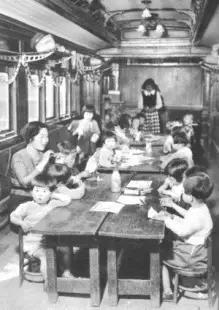

(Tram Classroom at Ba Academy)

In Ba Academy, Tetsuko, who was not loved by the teacher, met Mr. Kobayashi who changed her life. At the first meeting, The Principal listened quietly to Tetsuko's speech for 4 hours. Tetsuko felt "understood" for the first time.

Principal Kobayashi used a special education method to let the children in the Ba Academy who were rejected by ordinary schools learn to understand and love. He also used his own way to protect the children's self-confidence and innocence.
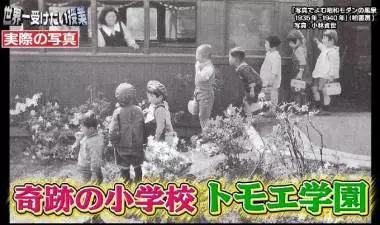
He always felt that “it is absolutely necessary for children to express their ideas clearly, freely, and without shyness in front of others in the future.” Under this kind of protection, Tetsuko grew up and became a special person who dared to express his own opinions and understood others.

After adulthood, Tetsuko Kuroyagi, who had excellent academic studies, was admitted to the Tokyo Conservatory of Music to study vocal music and studied Chinese at the Keio University Faculty of Letters, one of the highest schools in Japan.

(Young Kuroyagi Tetsuko)

In a TV show, Tetsuko Kuroyagi stood out from 6,000 contestants. As one of 13 shortlisted candidates, he became the first batch of actresses on Japanese TV screens.


As the host of children's radio programs, Tetsuko Kuroyanagi, who was lively and smart in nature, became a hit, and he took over 7 variety shows in one breath and became a well-known artist in Japan at that time.

At the age of 38, Kuroyanagi Tetsuko, who was in a prosperous career, made an amazing decision: to study in the United States.

Even though she is already very popular, she finds that there is still a certain gap between her performance and professionalism. She wants to make up for her shortcomings through learning.

Very often, choice determines the height of a person's future.

A few years of advanced studies not only improved Tetsuko's acting skills, improved her English, and the outside world, which broadened her vision and made her clearer about her future direction.

(Kuroyanagi Tetsuko on the streets of New York)

Living independently in New York, Tetsuko, who has her own unique thoughts, who dares to speak and speaks, was attracted by the producer and invited her to host a live-action talk show.

From then on, people saw a lively and sharp Kuroyanagi Tetsuko with an "onion head" reappearing on the screen. The talk show "Tetsuko's House" hosted by her has been broadcast continuously for 40 years, with more than 10,000 episodes, and has become the longest-lived talk show recognized by Guinness.

All famous characters in Japan have appeared on her shows, and foreign stars also like to participate in her shows. Tetsuko still didn't change her innocence. During the live broadcast, he took out candy from the "onion" to entertain the child star, or when he went abroad, he took out his passport from the onion and made the customs laugh.
People like her more, in addition to her humor, but also her wisdom.

The childhood experience of Ba Academy has a profound influence on Kuroyagi Tetsuko. In 1981, she recorded her childhood experiences and made "The Little Girl at the Window".

Generations of readers have been moved by Ba Academy and Principal Kobayashi, including Grant at the time, UNICEF Secretary-General.

After watching "The Little Girl at the Window", Grant felt that Tetsuko Kuroyanagi was the person who knew children best. After discussion, Tetsuko Kuroyanagi was appointed as the UNICEF Goodwill Ambassador, and she is also the fourth goodwill ambassador in the world.
Tetsuko, who has always been concerned about public welfare undertakings, has truly shouldered this responsibility. Since 1984, Kuroyanagi Tetsuko has traveled across three continents and 29 countries and regions in the past thirty years. 

From Tanzania, which is deeply invaded by poverty, to Rwanda, where civil wars are frequent, to Haiti and Indonesia, which have suffered from tsunamis and earthquakes.

She ate and lived with the local poor children, feeling their fear hidden in the depths, and conveying the situation of children in poverty-stricken areas to the people of the world through images and texts.

Thanks to her efforts, more people began to pay attention to these children in need.

She donated nearly 7.8 billion yen (equivalent to about 500 million yuan) of huge donations to solve their food and clothing problems, received health vaccinations, and rescued a large number of dying children from the hands of death.
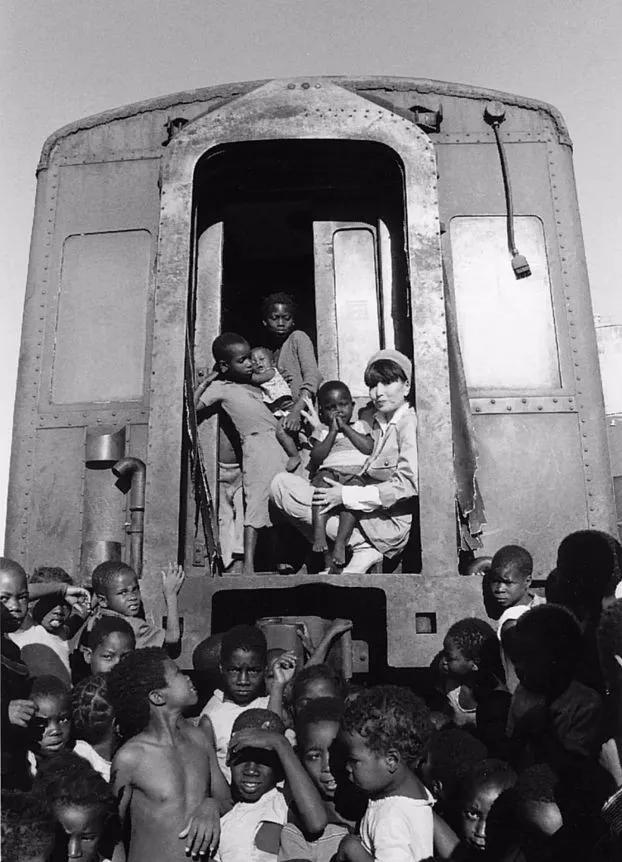
In 2000, she visited Liberia on the eve of the war and suggested to the local government many effective measures to protect the personal safety of the children.

"You know that saving a child's life is not easy, but I think, even if only one child can be saved, we are one step away from despair."

The situation of children in poverty and war deeply touched her. There are many children on this planet who are struggling to survive while worrying about their family and their own destiny. Only a small percentage of children can drink clean water, eat a full meal, get vaccinated vaccination, and receive education.

"What is true happiness?" When all the children on the earth can live with peace of mind and hope, it can be said to be true happiness. Thinking about it this way, the moment I felt "so happy" when I stayed at home on that rainy night when I was a child, it can be said to be true happiness! (From "What is Real Happiness")

Nowadays, although she has never been married and has no children, she has helped millions of suffering children. Not only that, she is also working hard to tell the children around her to cherish the happy life in front of her.
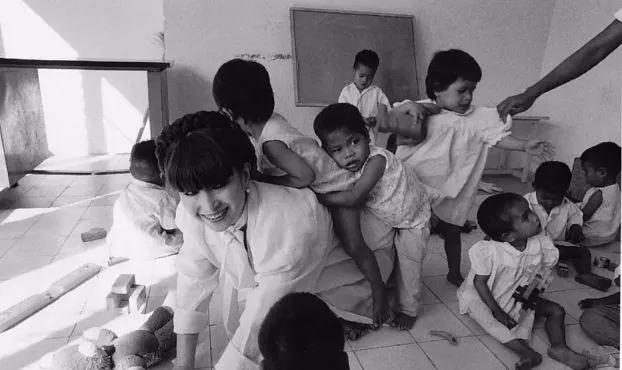
(Lovely old lady)

Today, Tetsuko Kuroyanagi, who is nearly 90 years old, is still working hard.
She hosts programs and listens to other people's stories. She runs through poverty and misery to spread power. More importantly, she still maintains a childlike innocence towards life.

She loves giant pandas madly, owns all kinds of pandas around, and carries them with her.
Not only that, but also participate in panda protection activities and promote giant pandas.

After registering ins as an "Internet addiction elderly", she likes to post funny and fun photos in life like a young man to share with everyone.

This lovely old lady has attracted the attention of many fans.
"Eighty-year-old may seem a bit scary to say, but imagine that there are four 20-year-old girls living in the body."

Tetsuko Kuroyanagi, who always has a childlike innocence, often tells people around him, women, no matter how old they are, they must keep themselves beautiful. Until now, she has painted exquisite makeup every time she shows up, dressed in fitting clothes, and will always show her beautiful side to the public.

Thinking of a sentence in "The Little Girl at the Window",
"The most terrible thing in the world is that you have eyes but you can't find beauty, ears but you don't appreciate music, and a heart but you can't understand what is true. You won't be moved or full of passion."

Tetsuko Kuroyanagi tells us that a woman who is independent in her heart, with love and innocence, will never grow old.
(Source)